
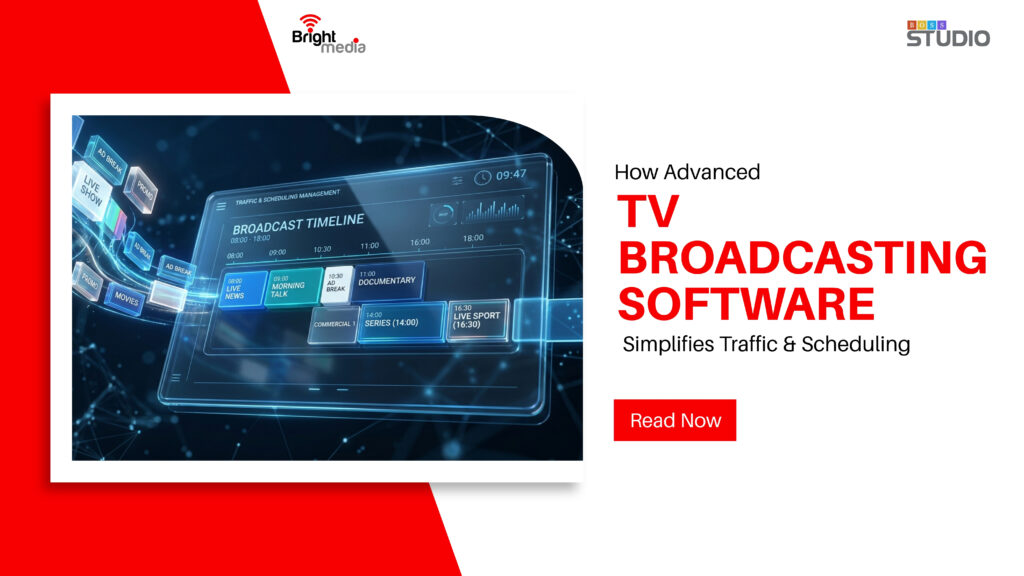
If you’ve ever sat near a broadcast operations team, even briefly, you’ll probably remember the quiet intensity. Screens filled with timelines. People watching clocks almost instinctively. Small adjustments happening constantly, sometimes so smoothly you barely notice.
Traffic and scheduling in broadcasting have always carried a certain weight. There’s a sense that everything needs to line up just right, even when conditions shift unexpectedly. And they do shift. More often than anyone likes to admit.
What’s interesting is how much this has changed with modern TV Broadcasting Software. Not overnight, exactly. More like a gradual easing of complexity, where tasks that once felt fragile now feel… manageable.
Also Read: What Should Broadcasters Expect from Modern Broadcast Traffic Software?
The Nature of Broadcast Traffic Isn’t Static
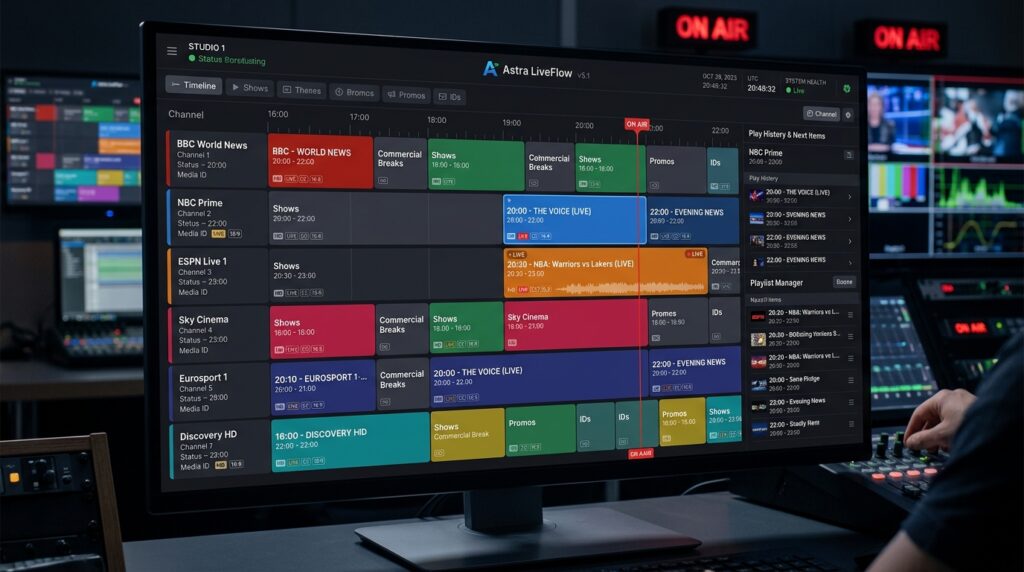
Broadcast schedules used to feel relatively fixed. Programs slotted neatly into predictable windows. Changes happened, of course, but not with the frequency we see today.
Now, content flows differently. Live events run over. Breaking news interrupts. Ad placements adjust dynamically. Distribution spans multiple channels and platforms.
TV Broadcasting Software recognize that traffic is fluid. They’re built to accommodate change without requiring constant manual intervention. That flexibility, in practice, reduces the quiet tension that often accompanies scheduling.
Also Read: How CMS Software Can Transform Your Digital Presence in 2026
Checking The Full Images Matter a Lot
One subtle improvement helps the modern tools bring more set of visibility.
Older workflows sometimes involved piecing together information from different sources. One system for traffic. Another for logs. Yet another for reporting. It worked, but it required effort to stay aligned. TV Broadcasting Software does it all.
Adjustments Without Disruption
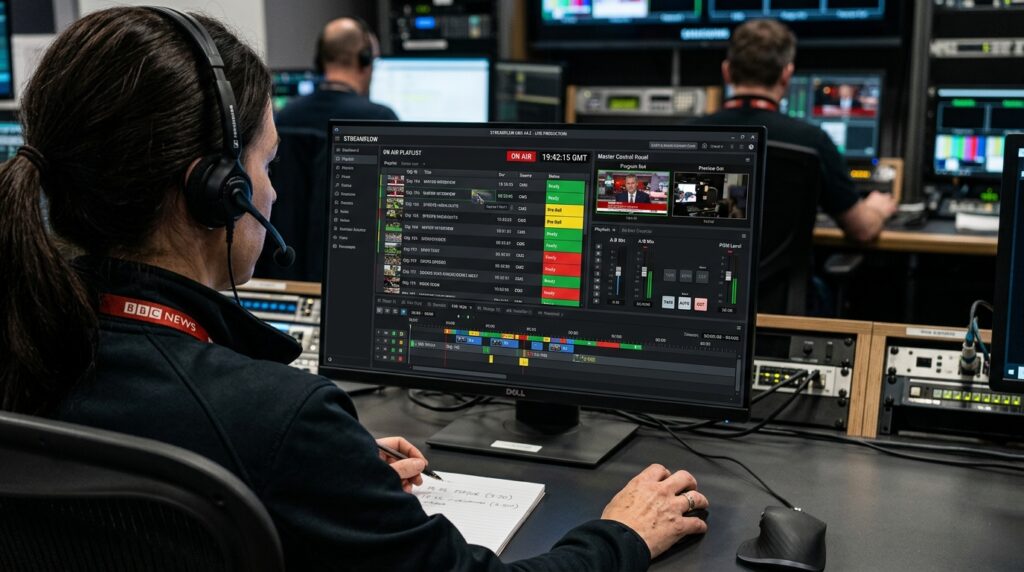
Schedules rarely remain untouched. Something always shifts. A program extension. A last-minute insertion.
With TV Broadcasting Software, these changes propagate more smoothly. Updates ripple through schedules without creating confusion or duplication.
Collaboration Becomes Less Complicated
Traffic and scheduling involve multiple roles. Planners, operators, sales teams, traffic & scheduling, billing & finance. Coordination has always been essential, though occasionally challenging.
A TV Broadcasting Software like BOSS Studio allow teams to work from shared information. Updates become visible immediately. Conversations become more focused because everyone sees the same context.
It doesn’t eliminate the need for communication. It simply makes it clearer.
Also Read: CMS Software for Media Companies: Complete Buyer’s Guide
Handling Scale Without Extra Strain
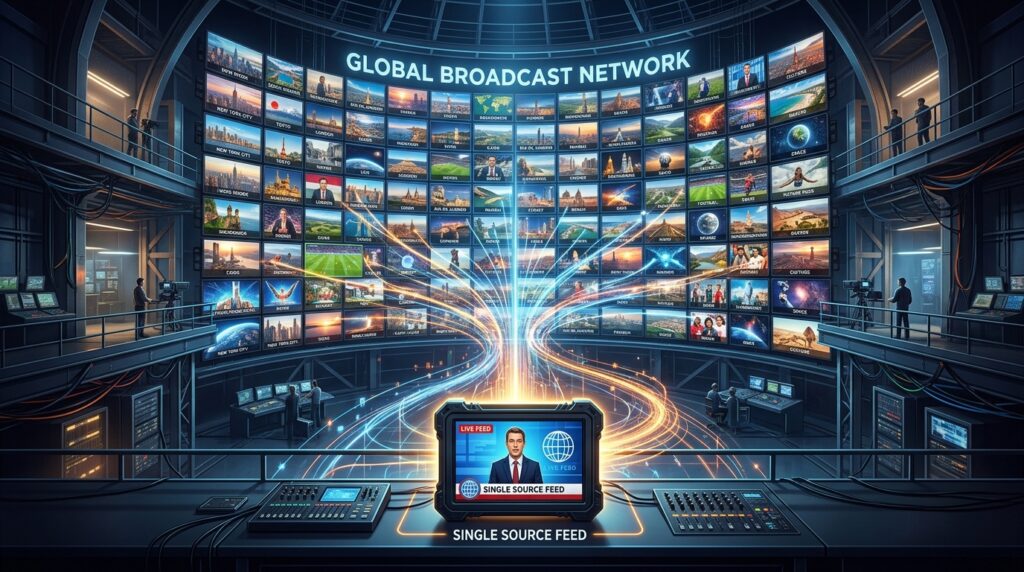
As channels expand and content libraries grow, scheduling complexity increases naturally. More variables. More dependencies. More decisions.
Modern TV Broadcasting Softwarelike BOSS Studio is designed with scale in mind. It helps to absorb growth without requiring entirely new set of workflows. Teams can manage larger operations without feeling overwhelmed.
That ability to scale quietly is often underestimated until it’s needed.
Why Simplicity Is a Real Advantage
When people talk about advanced broadcasting tools, they sometimes focus on features like Integration. Automation. Analytics.
But the real advantage often feels simpler. Things make sense more quickly. Tasks require fewer steps. Adjustments feel less stressful.
Simplicity, in complex environments, is powerful.
Also Read: Top 7 TV Broadcasting Software Features Every Channel Needs in 2026
Conclusion
Traffic and scheduling will probably never be completely effortless. Broadcasting is inherently more dynamic in nature, which is being shaped by live events, evolving content, and constant high level of coordination.
Moreover, modern TV Broadcasting Software, and integrated software broadcast environments simplify what used to feel huge fragile. They bring clarity to high set of schedules, flexibility to adjustments, and confidence to operations.
This is where BOSS Studio comes into the picture. BOSS Studio offers a modern SaaS platform that helps to streamlines traffic management, scheduling workflows, and operational visibility, which in turns helps the broadcasters move away from manual complexity toward more adaptive, reliable processes. It even helps the teams in staying aligned even as demands comes.
Also Read: How Cloud Broadcasting Enhances Efficiency and Flexibility for TV Channels
FAQ’s
1. What is TV Broadcasting Software majorly used for in traffic and scheduling?
It helps to manage program timelines, advertisement placements, and operational workflows thus ensuring schedules remain proper and accurate.
2. How does software broadcast automation helps to reduce errors?
Automation checks for high level of conflicts, monitors timelines, and alerts teams to potential issues before they arise.
3. Why are modern broadcast systems better than legacy workflows in the market?
They provide centralized visibility, real-time updates, and improved collaboration across different set of teams.
4. Can TV broadcasting software handle schedule changes easily?
Yes, advanced tools help to adjustments to propagate smoothly without disrupting operations.
5. How does BOSS Studio support schedule and traffic management?
BOSS Studio streamlines scheduling and provides real sights, helping teams manage broadcast workflows more effective and efficiently.