
Is Your Broadcast Software Ready for Multi-Platform Delivery?
Broadcast Software is beyond managing legacy TV channels. Today’s broadcasters are challenged to deliver across television, OTT platforms, mobile apps, web players and other connected devices, all from a unified workflow.
Broadcast software that’s not designed around multi-platform delivery can lead to operational bottlenecks, increased costs as well as a less cohesive viewer experience. This article discusses what capabilities modern broadcasters need in place so they can be agile, have scalability and can stand the test of time.
The Growing Need for Multi-Platform Broadcast Software
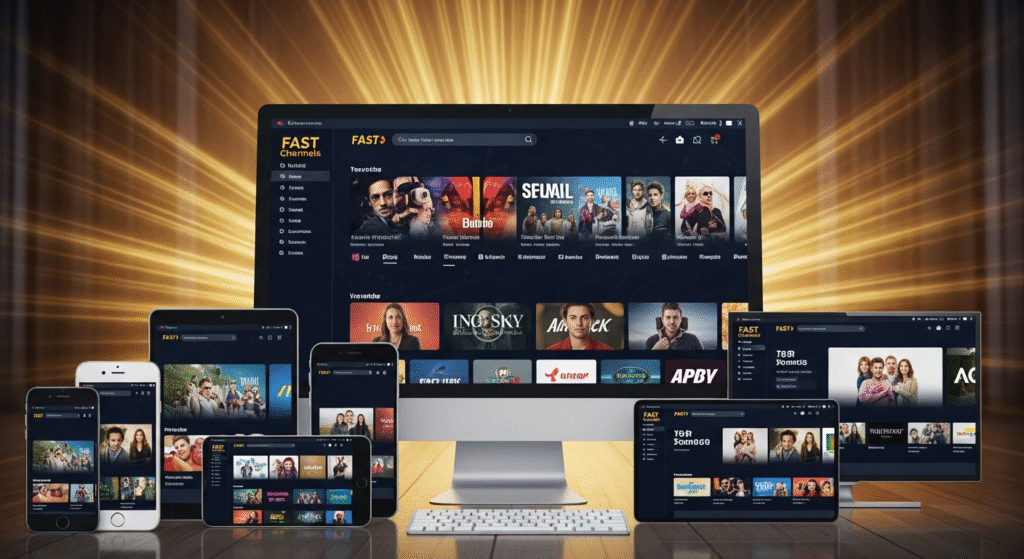
These days audiences are able to consume media how they want, where they want, when they want – whether that be via live news, sporting events or on demand programs across multiple platforms without interruption.
Because of this shift, broadcasters must now re-evaluate their technology stack or use a new approach to distributing content since traditional broadcast models created to serve Linear TV are falling short of the viewer’s demand.
Instead, organizations now rely on advanced broadcast software like BOSS Studio that supports:
- Simultaneous multi-platform distribution
- Real-time content updates
- Seamless transitions between live and on-demand formats
- Cloud-based operations
Also Read: Why Every Media Network Needs Broadcast Automation Software Today
What Does Multi-Platform Broadcasting Really Mean?

Multi-platform broadcasting refers to delivering content across various channels and devices using a unified system. This includes:
- Traditional TV broadcasting
- OTT and streaming platforms
- Mobile applications
- Web-based players
- Social media streaming
This approach not only improves efficiency but also ensures consistency in quality and messaging across every distribution channel.
Why Traditional Broadcast Systems Fall Short
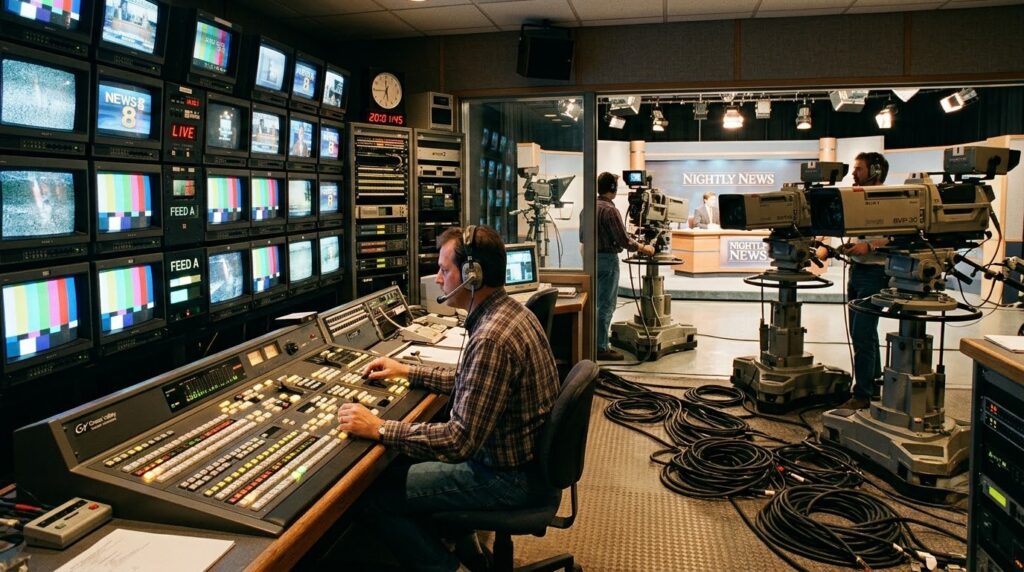
Legacy broadcast systems were built for linear television and are often rigid, hardware-dependent, and costly to maintain. They struggle with:
- Rapid scaling
- Multi-platform distribution
- Real-time updates
- Integration with digital ecosystems
To compete effectively, broadcasters need to have a modern approach to broadcasting. To be able to modernize broadcast operations they must use modern automated solutions that provide them efficiencies. Because of this there is a need for agile cloud-based solutions like BOSS Studio that is designed for speed and agility.
Also Read: The Origins of Radio Broadcasting
How Broadcast Software Transforms Operations
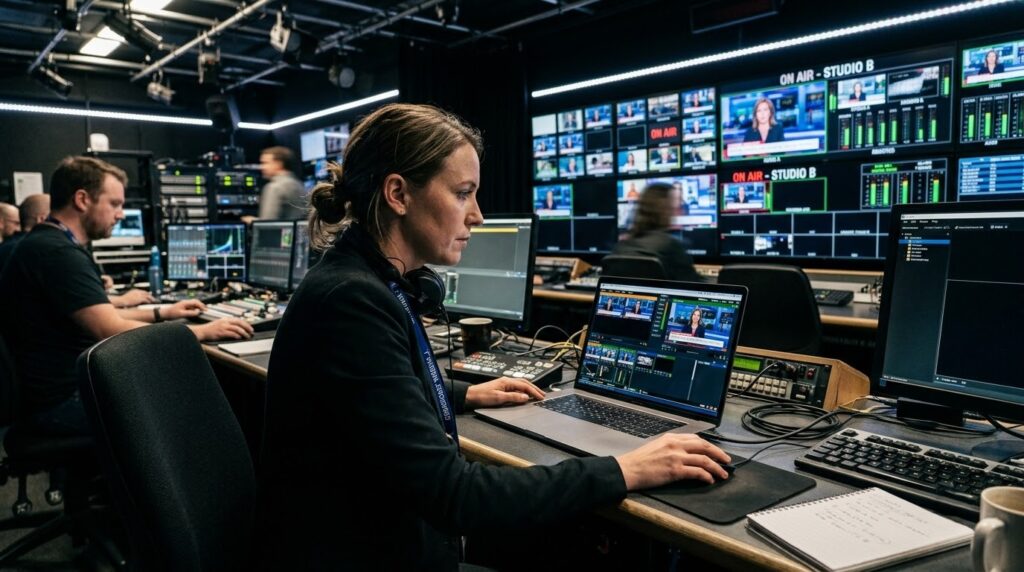
A modern Broadcast Software is what is driving many of the new automated operations behind the scenes. Broadcast Software like BOSS Studio also automates many of the repetitive processes involved in today’s broadcast system such as scheduling, switching between contents, managing metadata, and inserting advertisements.
Benefits include:
- Reduced operational overhead
- Fewer human errors
- Faster turnaround times
- Consistent broadcast quality
Automation ensures that broadcasters can focus on content creation and strategy rather than manual processes.
Future-Proofing Your Broadcasting Strategy
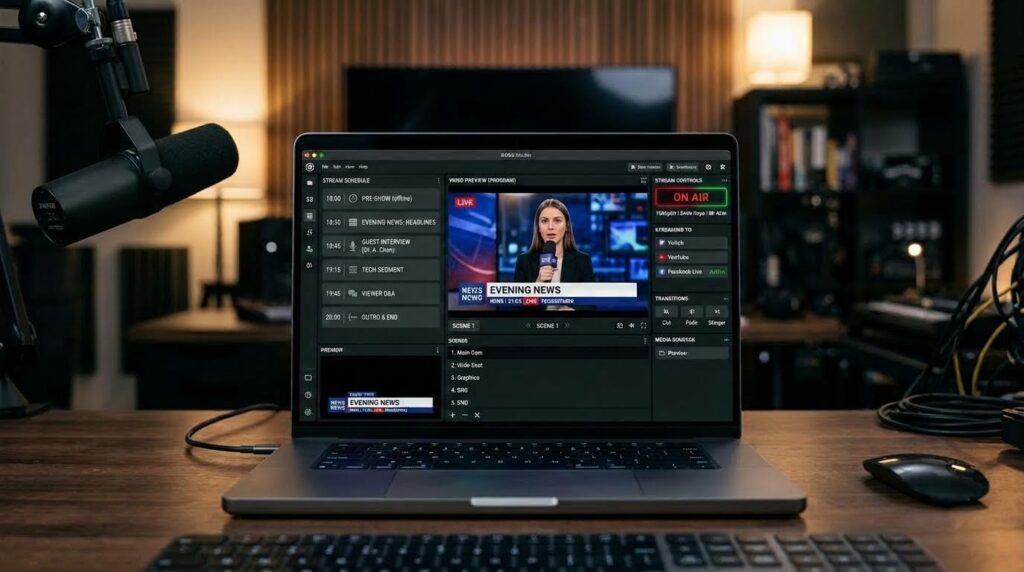
With rapid technological advancements, future-ready broadcast systems should support:
- Multi-platform distribution
- AI-driven content recommendations
- Advanced analytics and reporting
- Integration with OTT platforms
- Remote production workflows
- Enhanced security and compliance
Choosing a future-ready solution like BOSS Studio ensures longevity and adaptability in a competitive market.
Also Read: Maximize Efficiency and Ad Revenue with Intelligent Broadcast Scheduling Systems
Conclusion – How BOSS Studio Supports Modern Broadcast Needs
BOSS Studio is a modular Broadcast Software platform that makes all areas of the broadcast workflow – from content acquisition to transmission – easier, faster and more seamless through a single unified solution.
It enables seamless Multi-Platform Delivery for television, OTT, radio and digital channels, allowing broadcasters to manage, distribute and monitor their content from virtually anywhere more efficiently. Running atop an open, cloud-ready architecture, BOSS Studio is scalable to support traditional and next-gen broadcast operations alike allowing media organizations to modernize workflows, simplify operations and be future proofed.
FAQ’s
1. What is multi-platform delivery in broadcast software?
Multi-platform delivery is the ability of Broadcast Software to deliver content across multiple channels including television, OTT platforms, radio, web and mobile infrastructure from one centralized workflow.
2. Why It Matters for Broadcasters that They Deliver This Multi-Platform
Today audiences experience content across multiple devices and platforms. The Broadcast Software with multi-platform delivery deploys a single live stream for ultimate efficiency across numerous channels at the same time, increasing reach and creating efficiencies within your operation.
3. For multi-platform delivery, what features should your broadcast software be equipped with?
Find Broadcast Software like BOSS Studio that has centralized content management, workflow automation, cloud deployment, metadata management, out of band remote monitoring scalable architecture and seamless distribution to TV and OTT radio and Digital.
4. Multi-Platform Delivery: Can Legacy Broadcast Systems Handle It?
Data has traditionally been gathered through broadcasting, so many legacy systems will need extensive upgrades or integrations. Modern Broadcast Software like BOSS Studio is designed for the needs of distribution evolution, as it makes easier to deliver content across platforms with a single system.
5. Does BOSS Studio supports multi-platform delivery?
BOSS Studio is an end-to-end, integrated Broadcast Software solution that simplifies and accelerates every broadcast workflow, from acquisition to transmission with seamless multi-platform delivery across a network of TV, OTT, radio and digital channels. It’s designed to trend in the cloud, and assists broadcasters to simplify operations and pre/stage for their next wave of growth.