
How FAST Channels Are Helping Broadcasters Unlock New Revenue Streams in 2026
For a long time, broadcasters thought in fairly fixed lanes. Linear TV on one side. OTT subscriptions on the other. Advertising lived somewhere in between, often squeezed by changing viewer habits and tighter margins.
FAST channels didn’t really fit neatly into those lanes at first. Free Ad-Supported Streaming Television sounded promising, but also uncertain. Free content? More ads? Would viewers actually stay?
Now, in 2026, that uncertainty has mostly faded. FAST channels are no longer an experiment. They’ve become a serious revenue lever for broadcasters who know how to manage them properly.
FAST Channels Changed the Question Broadcasters Were Asking
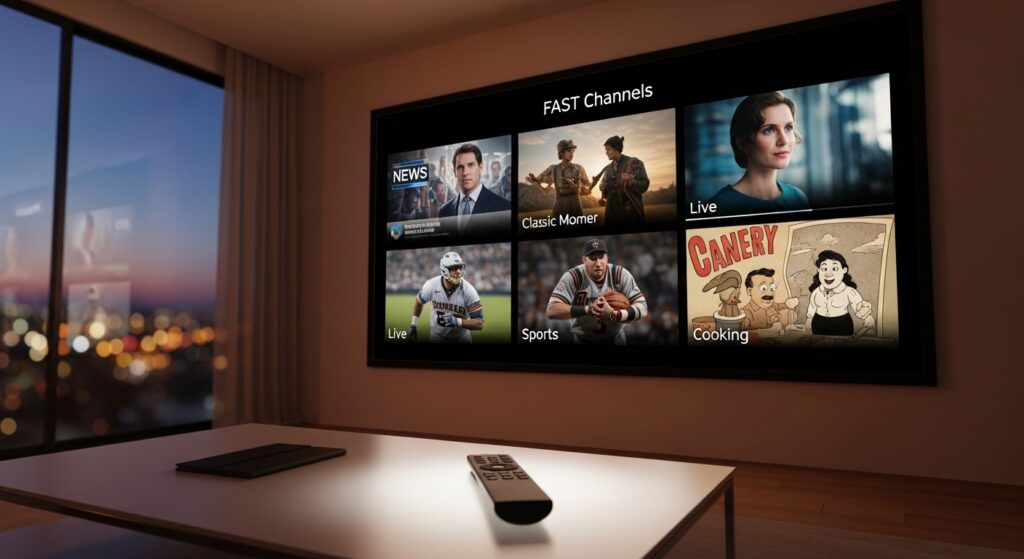
The original question used to be, “How do we replace declining cable revenue?”
That’s a hard question, and honestly, still unanswered in some ways.
FAST channels shifted the conversation slightly. Instead of replacing revenue, they opened up additional streams. Incremental audiences. Incremental ad inventory. Content that was already owned but not fully monetized.
And perhaps most importantly, FAST channels reduced friction for viewers. No sign-ups. No payment decisions. Just press play.
That simplicity is doing more work than many broadcasters expected.
Also Read – Choosing the Right Radio Broadcast Software: A Station’s Guide
Why FAST Works in 2026, Not Just Earlier
FAST channels existed before 2026, of course. But the ecosystem around them matured.
Advertisers got more comfortable with programmatic models. Viewers got used to ad-supported streaming again. Platforms improved discovery. And behind the scenes, Broadcast Software became far better at handling these hybrid workflows.
FAST channels today are not just linear streams dumped onto the internet. They’re carefully scheduled, targeted, and managed channels that sit somewhere between traditional broadcasting and digital streaming.
That middle ground turns out to be valuable.
Unlocking Revenue Without Reinventing Content
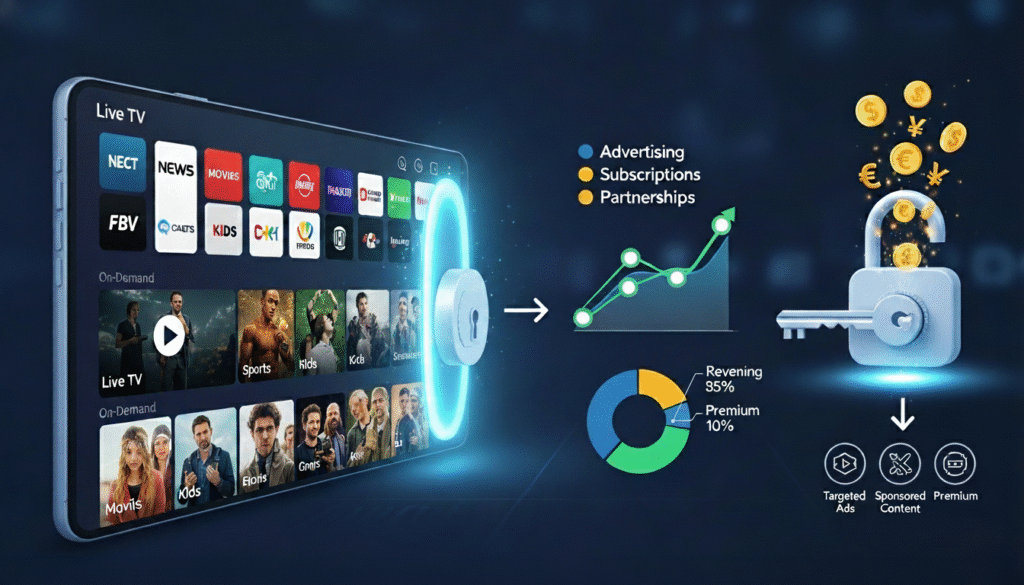
One of the quieter benefits of FAST channels is how efficiently they use existing content.
Broadcasters don’t need to commission entirely new libraries. Archives, niche programming, regional content, genre-specific playlists. All of it can be repackaged into FAST formats.
But doing this well requires strong broadcast management software. Scheduling matters. Ad placement matters. Content rotations matter. FAST viewers still expect structure, even if they’re not paying.
This is where broadcasters who invested in modern systems like BOSS Studio are pulling ahead.
Advertising Feels Different on FAST Channels
FAST advertising isn’t quite like traditional TV ads. And it’s not exactly digital either.
It sits in between.
Advertisers like the predictability of scheduled programming. They also like the targeting capabilities borrowed from digital platforms. FAST offers both, when managed properly.
From a broadcasting management perspective, this creates new responsibilities. Ad loads need to feel balanced. Repetition needs monitoring. Frequency capping starts to matter in ways traditional broadcast didn’t always consider.
It’s manageable. But it’s not hands-off.
Also Read – Top Features to Look for in a Broadcast Scheduling System
Operational Complexity Is the Real Challenge
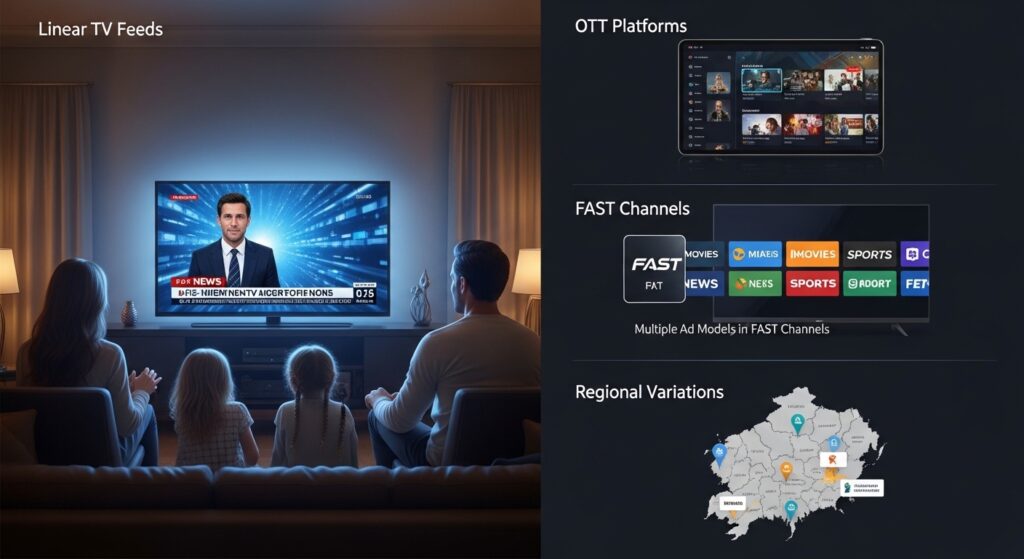
FAST channels look simple to viewers. Operationally, they’re not.
Broadcasters are now managing:
- Linear TV feeds
- OTT platforms
- FAST channels
- Regional variations
- Multiple ad models
Without the right Broadcast Software, this quickly becomes messy. FAST revenue only works when operations scale cleanly.
Manual workflows don’t survive long here. Automation, centralized control, and clear reporting become essential, not optional.
FAST Channels Reward Flexibility More Than Perfection
One thing FAST channels have taught broadcasters is that flexibility matters more than flawless execution.
Schedules evolve. Channels get tweaked. Some concepts work better than others. FAST allows experimentation without the same risk profile as paid platforms.
But only if broadcast management systems allow quick changes without breaking everything else.
Conclusion
Making FAST work at scale depends heavily on the tools behind the scenes. Modern Broadcast Software, reliable broadcast management, and flexible broadcasting management workflows are what turn FAST from an idea into a revenue engine.
This is where BOSS Studio fits naturally. BOSS Studio supports broadcasters in managing complex, multi-platform operations, including FAST channels, through centralized scheduling, automation, and real-time control. By simplifying operational complexity, BOSS Studio helps broadcasters focus on monetization, experimentation, and growth without losing control.
Also Read – How Television Scheduling Software Transforms Broadcast Management and Efficiency
FAQ’s
1. What are FAST channels?
FAST channels are free, ad-supported streaming channels that offer scheduled programming without requiring subscriptions or sign-ups.
2. How does broadcast management impact FAST channel success?
Strong broadcast management ensures proper scheduling, ad placement, and smooth operations across FAST and linear platforms.
3. Can FAST channels work alongside traditional TV and OTT platforms?
Yes. FAST channels often complement linear and OTT strategies, helping broadcasters expand reach and monetize content more efficiently.