
Choosing the Right Radio Broadcast Software: A Station’s Guide
Whether you’re building a radio station, or upgrading from an existing radio station, the excitement is palpable – until you come up against the radio broadcast software wall. Suddenly, there are fifty different platforms, and they all claim to be the best of the best, and they all have cool-looking features that you didn’t even know you needed.
Then, therein lies the major mistake that most stations make – they either buy the cheapest option, or the one that appears to look the most professional, and regret it later when things crash mid-show, or the automation isn’t functioning as it was promised.
The reality is: the right radio broadcast software doesn’t just allow you to go live – it keeps you consistent, stress-free, and ready for the future.
So, before you make your decision, here are the actual features and factors you should be looking for.
Also Read: From Playlists to Ads: How Radio Automation Software Simplifies Operations
Smart Features to Look for in Radio Broadcast Software
1. Intuitive Interface for Easy Access
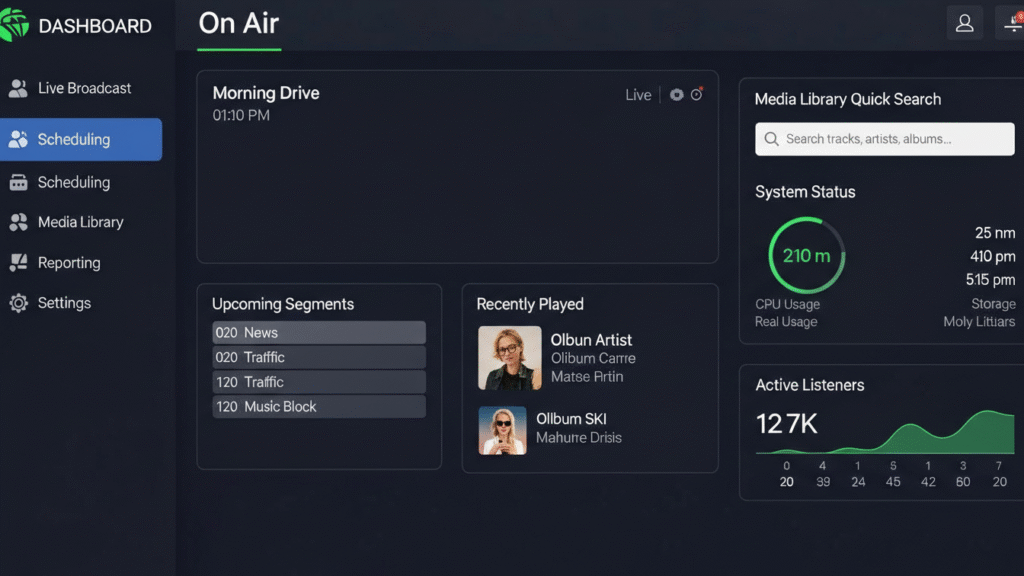
The best software doesn’t just feature functionality; it knows how to display it. A clean and intuitive dashboard saves precious time, whether you’re in a live show or training session. If you’re a solo host or dealing with a 25-person radio team, an intuitive display of where to access key controls during a critical moment allows for professional outcomes in any scenario.
2. Built-in Flexibility for Live & Scheduled Broadcasting
Stations are flexible. Some days you will be live, other days you will just press start and let your station run. Good software will support both methods without requiring you to switch platforms.
Also Read: How Radio Broadcast Software is Transforming Station Management
3. Built-in Recording & Archiving Functions
Recording your broadcasts is no longer a nice-to-have; it’s a need-to-have. Whether it’s for podcasting, compliance for CRTC regulations, or sending on replay, make sure to choose software that can easily record your shows automatically and let you archive and/or export your shows that you need if you want. This can be done with no need for extra hardware or possibly even missing content.
4. Seamless Online Streaming Integration
Radio isn’t just FM anymore. A provider should make it as easy as possible to stream directly to your website, apps, or other platforms like Shoutcast/Icecast. When you make it easy to be online, you expand your audience quickly — from local to global, with one click.
5. Smart Scheduling System
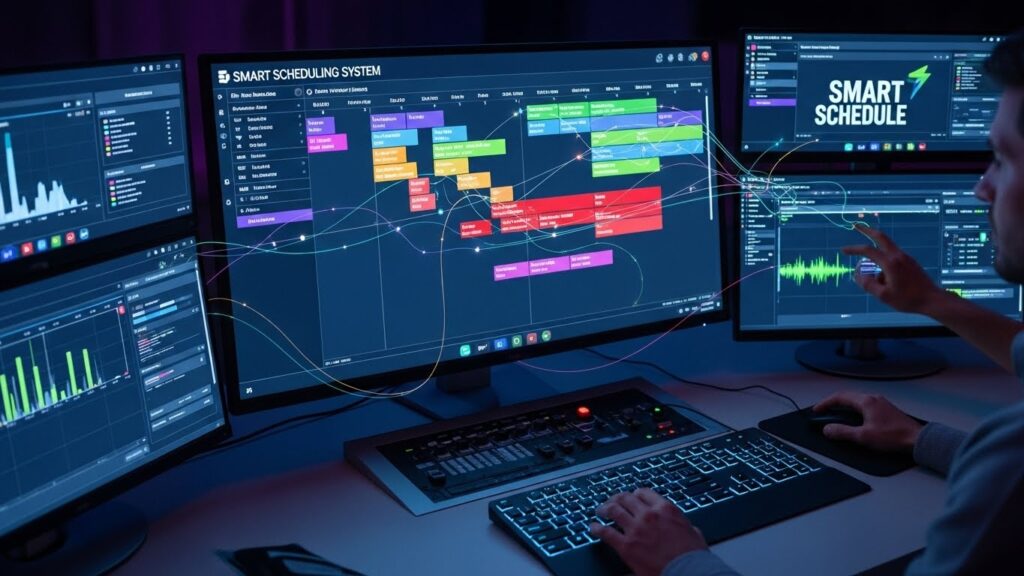
A drag and drop scheduler, with recurring playlists, clock wheel support, and live override, has saved me untold hours of planning — being able to plan something for the week (or the month) and be organised and automated is a fantastic benefit.
Also Read: Top 5 Reasons Broadcasters Love BOSS Studio’s Radio Automation Systems
6. Hardware Compatibility & Flexible Input Options
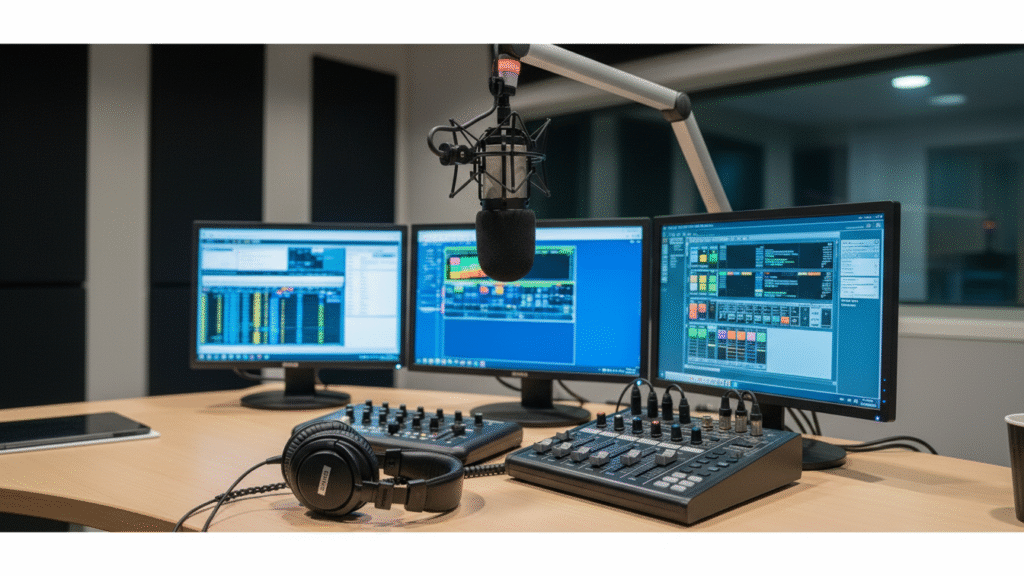
Radio stations shouldn’t have to overhaul their existing studio setup to adopt new software. BOSS Studio fits seamlessly into a radio broadcaster’s operational workflow, supporting playlist without interfering with studio equipment such as mixers or sound equipment. It empowers radio teams to manage programming and commercial operations efficiently from a single platform.
Mistakes to Avoid When Selecting Broadcast Software
Even the most quality-conscious stations can fall into the trap of using the wrong software. It is easy to be seduced by the design, pricing, or buzzwords; however, there are things you absolutely need to avoid:
1. Choose Capability, not just Design
A nice, clean interface is nice to have, but what is the software made of? Some software tools may look nice, but do not include core features like stability, automation, etc. Don’t choose a software application because it looks “modern”; choose one that fits your station’s needs and usability.
2. Small Print – Long-term Costs
Low- or “freemium” versions often appear budget-friendly; however, the price will eventually rise when you consider hidden costs, such as additional charges for storage, streaming, or multi-user. Always think about sustainable pricing models, not just the starting price, as a guide to help make better choices.
Also Read: Why Manual Traffic Management is Holding Your Broadcast Business Back
3. Picking a Tool Without Testing
While most software has a free version, ignoring to test of the free version is a rookie mistake. You never know how the software will function in real-time (particularly in relation to live performances) if you do not test and gain experience in real-time usage.
Conclusion
Choosing the right radio broadcast software is about more that features—it’s reliability, usability and long-term value. A solution like BOSS Studio empowers radio stations to manage programming, scheduling, advertising and billing from a single streamlined platform. By prioritizing stability, automation, and operational efficiency, stations can reduce manual effort, stay prepared for unexpected challenges, and focus on what truly matters: delivering consistent, high-quality content to their audience while driving sustainable revenue growth.
FAQ’s
1. What is Radio Broadcast Software?
Radio Broadcast Software helps stations manage programming, scheduling, and advertising operations. With BOSS Studio, radio teams can plan shows, schedule playlists and ads, and handle billing from one platform.
2. Do small or online radio stations really need Radio Broadcast Software?
Yes—even small or online radio stations benefit from radio broadcast software.
With BOSS Studio, stations can organize programming, automate schedules, manage ads, and handle billing from one platform, reducing manual work and errors.
3. What features should I look for in Radio Broadcast Software?
Look for an easy interface, automation, scheduling, and hardware compatibility. These features help your station stay consistent and professional.
4. Is BOSS Studio suitable for both beginners and professional stations?
Yes. BOSS Studio is designed to be easy for beginners while still offering powerful features for growing or professional radio stations. It works well for solo broadcasters and full teams.