
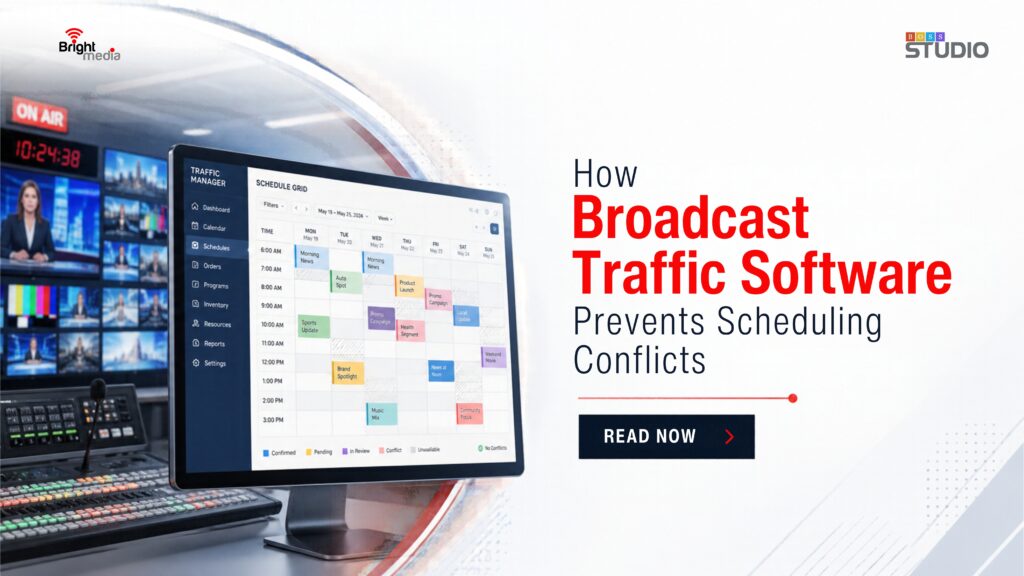
How Broadcast Traffic Software Prevents Scheduling Conflicts
Broadcast Traffic Software gives broadcasters a better way to stay on top of ad bookings, program schedules, and all the moving parts behind the scenes. Everything’s in one place—teams can see what’s been scheduled, spot potential double bookings, and fix issues before they get messy. The headaches usually start with clunky spreadsheets, siloed tools, or last-minute changes that don’t get shared.
BOSS Studio steps in as a cloud platform that pulls everything together: booking, scheduling, and traffic management. Now everyone can see what’s happening in real time and respond to changes before things spiral out of control.
Also Read: How Smart Traffic Scheduling Systems Can Save Resources and Time
What Is Broadcast Traffic Software?
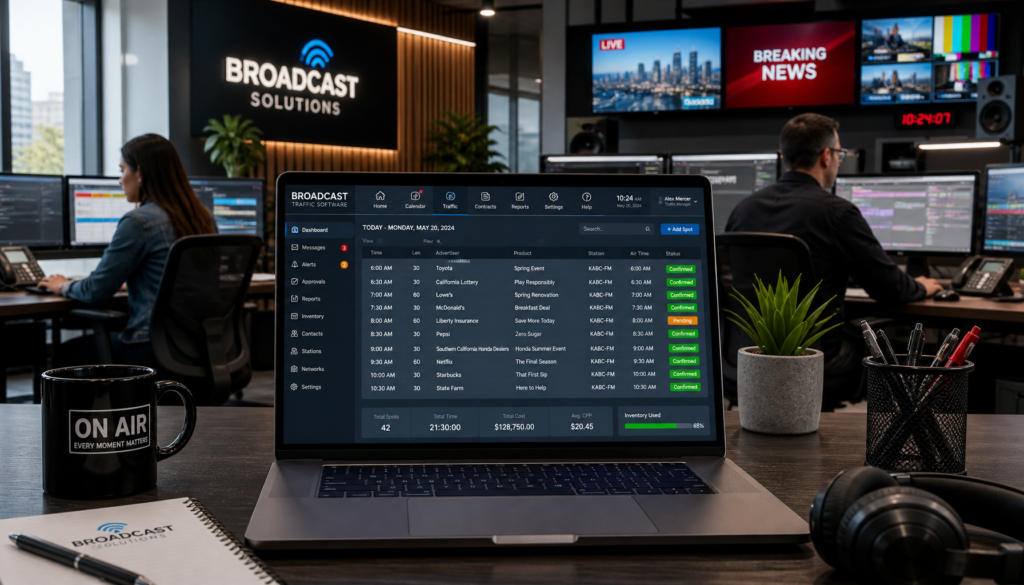
This software lets broadcasters manage commercial bookings, ad schedules, programming, and traffic workflows—all from a central hub. Teams can track commitments, check for overlaps, stay updated with live schedules, and cut down on human mistakes. It helps everyone coordinate, but people still make the operational calls.
Key Takeaways:
- Putting all traffic info in one spot means everyone can see what’s booked.
- When workflows are coordinated, last-minute campaign changes don’t become chaos.
- Teams can actually see open inventory before promising it.
- Clean, up-to-date records mean fewer dumb scheduling errors.
Also Read: Why Every Broadcaster Needs a Traffic Scheduling System
What Causes Scheduling Conflicts In Broadcast Operations?
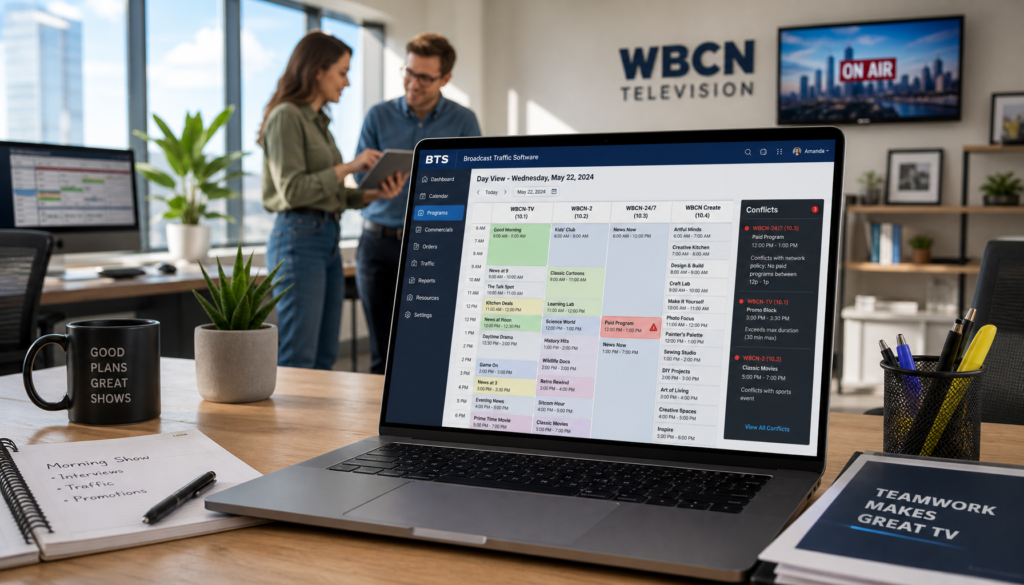
Things fall apart when teams use different tools—or don’t share updates. Sales might lock in an ad deal just as operations relies on an old schedule. Details slip through the cracks, and double bookings sneak in.
How Does Broadcast Traffic Software Prevent Scheduling Conflicts?
With traffic software, everyone works from the same set of facts. Teams log campaign dates, track commitments against available slots, and update each other before finalizing anything. So, if two clients want the same commercial break spot, the traffic team can spot it early, clarify what’s open, and maybe reassign one to a later spot—no surprises, no drama.
Also Read: The Role of Cloud Technology in Broadcast Scheduling
How Does Centralized Traffic Management Improve Accuracy?
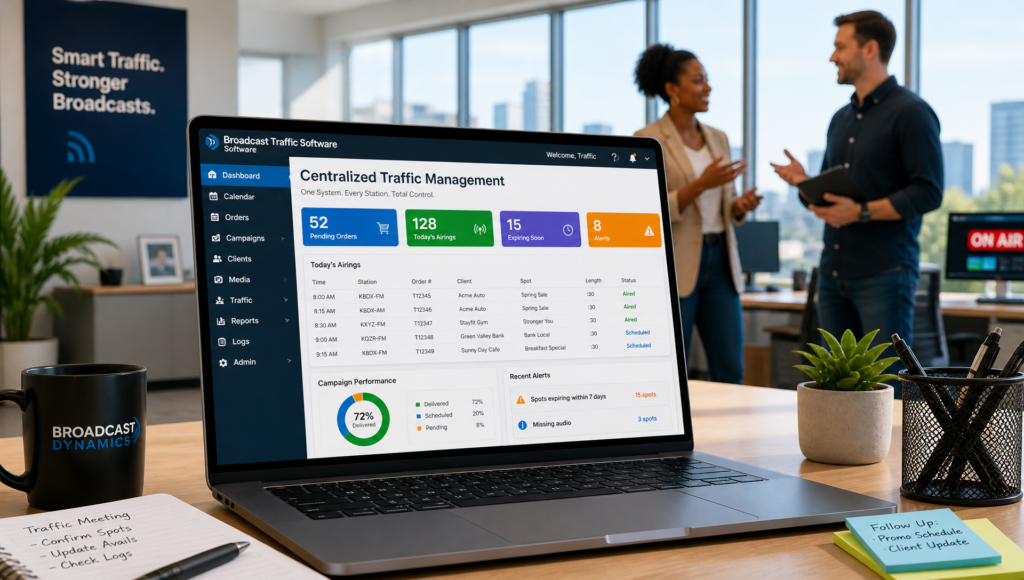
By giving everyone one version of the truth, no one’s sending out-of-date Excel sheets or conflicting emails. Issues are easier to spot, and people know what’s booked and what isn’t at a glance.
How Does BOSS Studio Support Broadcast Traffic Management?
BOSS Studio ties together content, metadata, scheduling, and booking in one cloud platform. Teams can automate routine work, connect other systems, and get notifications to keep everything moving. While BOSS Studio helps manage workflow, it’s not a magic fix—teams still review bookings and make the final calls.
Also Read: Maximizing Ad Revenue with Intelligent Broadcast Traffic Solutions
Conclusion
Broadcast Traffic Software gives broadcasters the tools to handle commitments clearly and confidently. When information is centralized, everyone stays in sync, mistakes drop, and teams keep up even as operations grow. BOSS Studio keeps booking, scheduling, and content workflows organized—so broadcasters can stay on top as they expand across more channels and campaigns.
Frequently Asked Questions
1. What is Broadcast Traffic Software?
Broadcast Traffic Software helps broadcasters keep their advertising bookings, commercial schedules, and traffic workflows organized. It puts all the right details in one place so teams can stay on top of their commitments.
2. How does Broadcast Traffic Software prevent scheduling conflicts?
It brings all the booking and schedule info together, so everyone can see what’s going on and spot any double-bookings before they become a problem. The team still needs to check and approve the final schedule, though.
3. What causes scheduling conflicts in broadcast operations?
Conflicts usually spring up when teams work off separate records, outdated schedules, or don’t share updates quickly enough. Everyone needs to be on the same page to avoid these mix-ups.
4. How does traffic management improve advertising scheduling?
Traffic management ties campaign details directly to schedules and inventory. This helps everyone coordinate bookings without missing a beat.
5. How does BOSS Studio support broadcast traffic management?
BOSS Studio handles traffic, scheduling, media management, and keeps broadcast workflows running smoothly. It keeps everything organized, but doesn’t control channel playout.