
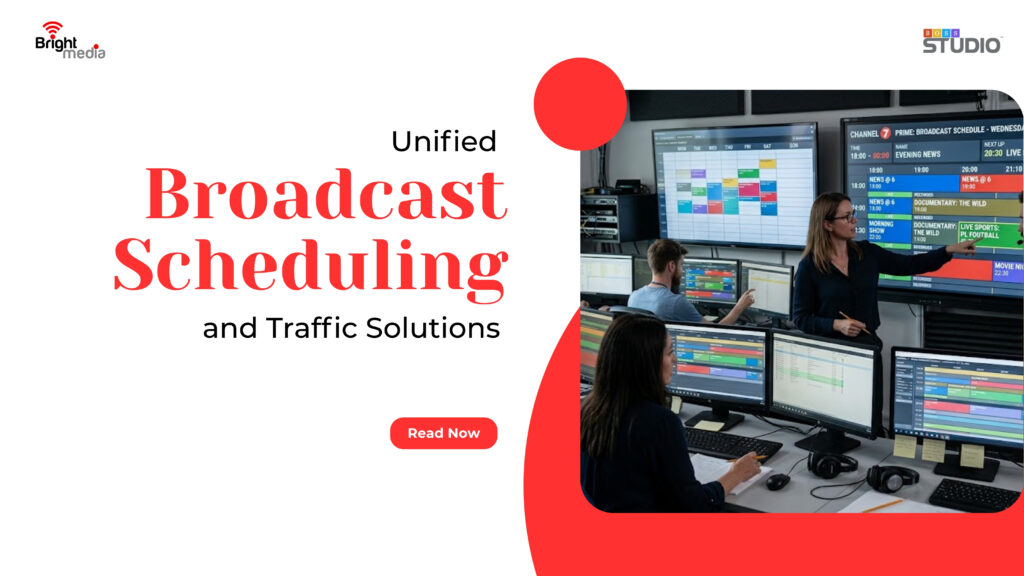
Unified Broadcast Scheduling and Traffic Solutions
Broadcast scheduling has never really been simple. Even when it looked simple from the outside, there was always more happening behind the scenes than viewers realized. Program blocks, ad placements, compliance checks, last-minute changes. It’s a constant orchestration.
And traffic management, well, that adds another layer entirely. Contracts need to align with inventory. Spots must land in the right windows. Reports must reflect what actually aired. If one piece shifts, others often follow.
For years, scheduling and traffic operated like parallel lanes. Connected, yes, but not always unified. That separation worked to an extent. Until scale increased. Until platforms multiplied. Until speed became non-negotiable.
That’s where unified solutions begin to make sense.
Also Read: Top Benefits of Television Scheduling Software for Broadcasters and Media Houses in 2025
When Scheduling and Traffic Share the Same Language
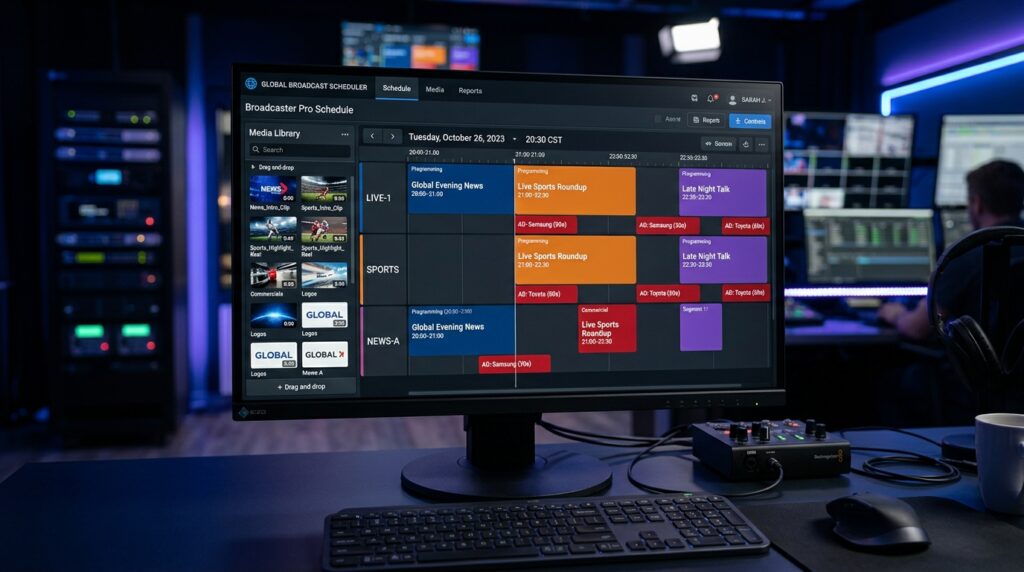
In many traditional setups, scheduling and traffic systems function independently. Schedulers focus on programming flow. Traffic teams manage commercial placements. The information crosses over eventually, but sometimes not as smoothly as it should.
Unified broadcast media solutions change that dynamic. When everywhere it operates within a shared system, data works accordingly as per the flow. Adjustments to programming immediately reflect in high level of traffic planning. Contract allocations align more clearly with available set of inventories.
It reduces friction. Not dramatically, perhaps, but consistently.
Real-Time Adjustments Without Domino Effects
Live environments rarely follow rigid timelines. Events run over. Breaking news interrupts programming. Advertisers request changes.
In unified systems, these adjustments ripple across scheduling and traffic simultaneously. That coordination prevents the domino effect where one change creates multiple manual corrections.
Modern broadcast media solutions are designed to handle that kind of movement. Instead of reacting separately, teams adapt together.
Also Read: The Role of Cloud Technology in Broadcast Scheduling
Compliance and Reporting in One Flow
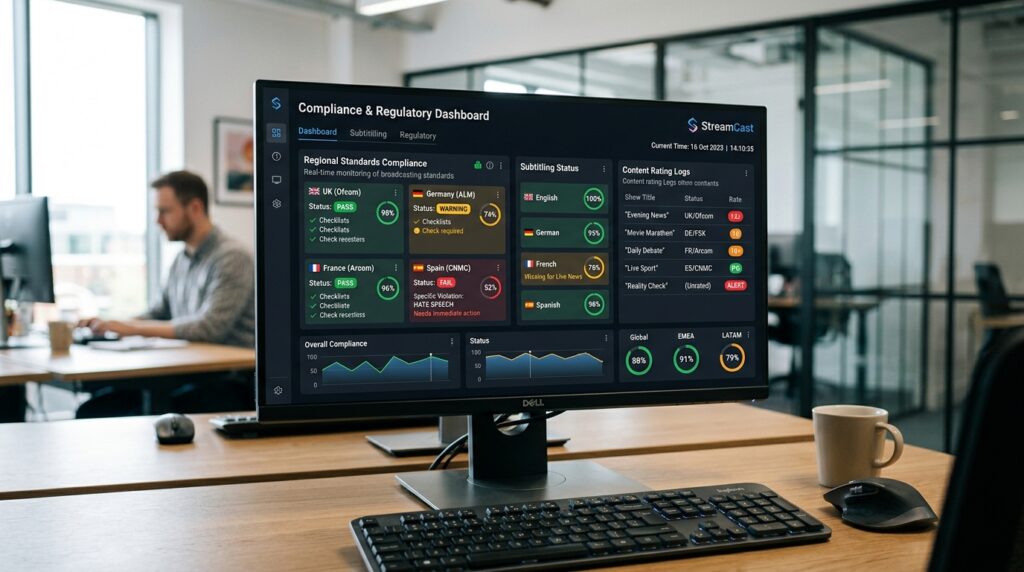
Compliance requirements have not decreased over time. If anything, they’ve Broadcast Scheduling expanded.
At the time of scheduling and traffic operate within unified cloud-based broadcasting platforms, compliance checks can be embedded into different set of workflows. Reports reflect real-time data rather than any of the unstructured logs.
It’s a subtle improvement, but one that reduces stress at the time of reviews or audits.
Collaboration Without Silos
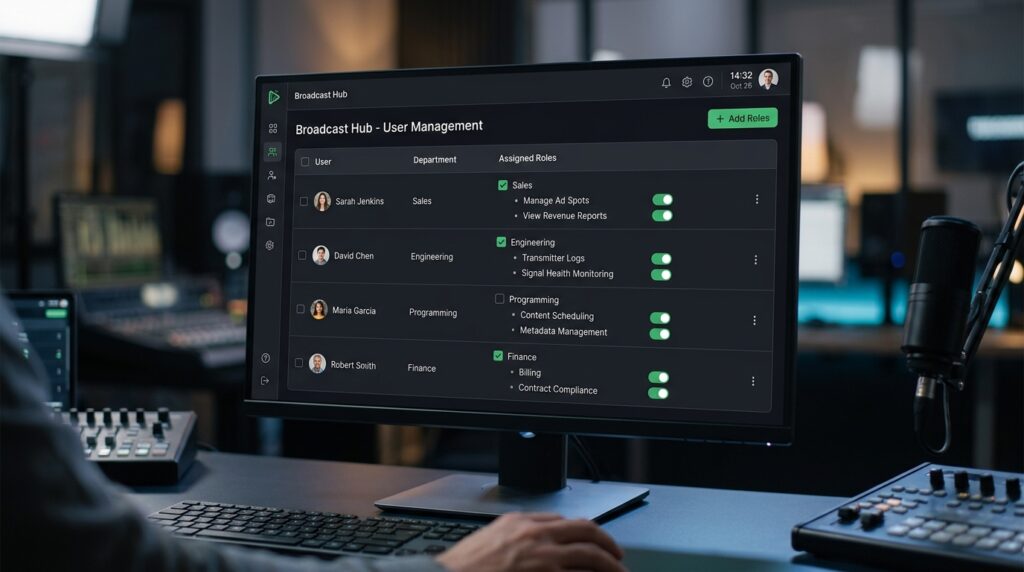
Broadcast operations involve more than just two teams. Sales, engineering, programming, finance. All require visibility into scheduling and traffic data at different points.
Unified cloud broadcasting environments make that visibility possible without fragmenting information.
Scaling Without Adding Complexity
Growth introduces variables. New channels. Expanded content libraries. More advertising agreements.
Unified systems built for scalability absorb that growth. They don’t require rebuilding workflows for each and everything.
The beauty of integrated broadcast media solutions lies in their ability to expand without any of the teams.
Conclusion
Unified broadcast scheduling and traffic solutions just not help with the replacing of the existing traditional thing. They’re about supporting it.
This is where BOSS Studio becomes relevant. BOSS Studio provides with a unified platform that helps to bring scheduling, traffic, and operational workflows into one cohesive platform. By using cloud-based infrastructure and real-time visibility, BOSS Studio helps broadcasters reduce fragmentation and manage complexity with high level of confidence.
In a landscape where timing is everything, unity is an advantage.
Also Read: How Cloud Broadcasting Enhances Efficiency and Flexibility for TV Channels
FAQ’s
1. What are unified broadcast scheduling and traffic software?
They are integrated systems that help to manage any set of programming schedules and advertising traffic within one connected platform.
2. How does cloud broadcasting helps to improve traffic management?
Cloud broadcasting helps to locate the data, thus enabling real-time updates and easier collaboration across different set of department and teams.
3. Why are broadcast media solutions moving to the cloud?
Cloud based broadcasting provides high level of flexibility, scalability, and reduced reliance on physical infrastructure.
4. Can unified systems reduce scheduling checks and errors?
Yes, integrated workflows and automated checks helps to minimize inconsistencies.
5. How does BOSS Studio support unified broadcast software?
BOSS Studio offers a cloud-based platform that synchronizes scheduling and traffic processes for streamlined operations.