
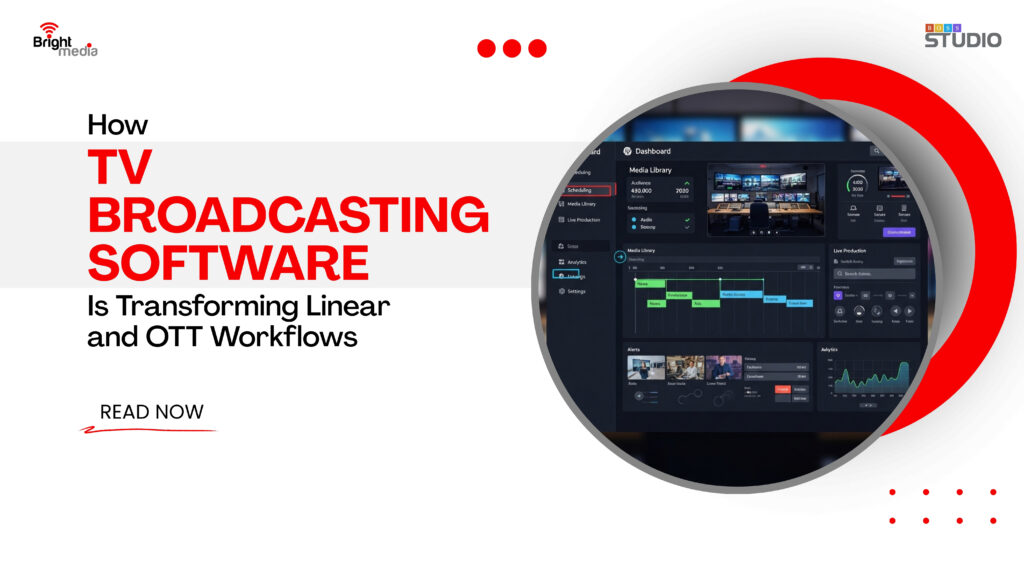
How TV Broadcasting Software Is Transforming Linear & OTT Workflows
The shift in how television is watched via broadcasting (broadcast TV) is experiencing one of the greatest changes we’ve ever seen. Linear broadcast programming (where people have to watch their show at the time it’s scheduled to air) is over. Viewers now have more ways to watch programming than ever before: TV’s, smartphones, tablets and digital streaming services. Viewers expect that broadcasters will provide many fast, smart and flexible ways to view programming.
Broadcasters also have the added challenge of being able to deliver their content via linear broadcast channels or via all types of OTT (over-the-top) services via broadcast automation software (the main driver for this changing landscape). Broadcasters can now successfully and efficiently produce and distribute programming and have high-quality programming available to their viewers by utilizing the right combination of advanced broadcast systems and intelligent broadcast media solutions. In addition, broadcasters are now able to meet all time-sensitive delivery requirements as well as produce programming that is very demanding due to the increased speed of broadcast TV to the viewer due to the other forms of technology available today.
Also Read: Top Features to Look for in a Broadcast Scheduling System
The Shift from Traditional Broadcasting to Integrated Digital Workflows
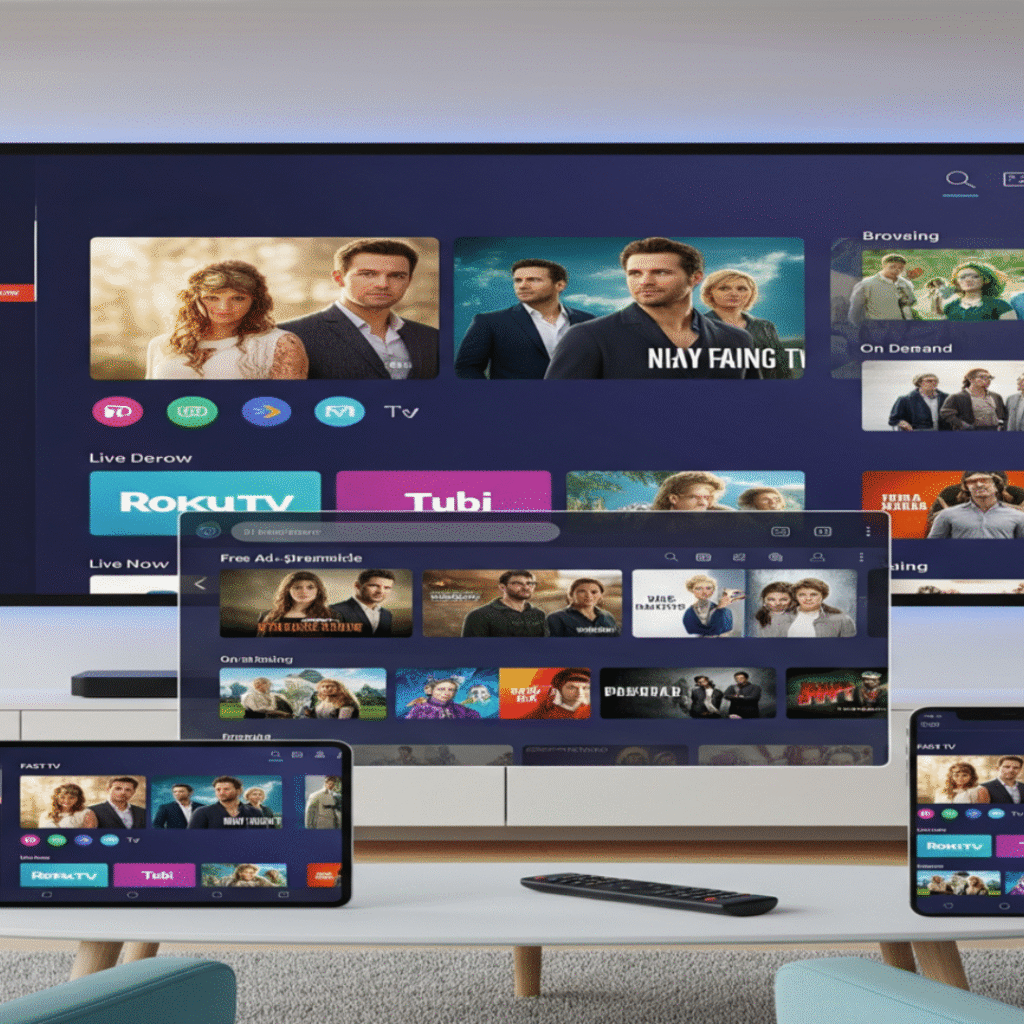
Television broadcasts were historically dependent on manually controlled systems, fixed timing and physical devices. While this way of broadcasting was successful a long time ago, it now has a hard time keeping up with the speed, personalization, and scalability that viewers expect.
Modern audiences expect:
- On-demand access across devices
- Consistent content quality
- Minimal buffering or downtime
- Personalized viewing experiences
Integrated broadcast ecosystems combining linear video and OTT video enable broadcasters to meet viewer expectations for their content. Modern broadcast automation software is the driving force behind this transition and serves as a platform for current broadcast operations.
What Is Broadcast Automation Software?
Today’s broadcasters feature an overall platform model that includes centralizing all aspects of managing the incoming source and content, scheduling in a coordinated manner, play out, and distribution over to every channel and platform. This is achieved through using automated processes, thus reducing the number of mistakes and increasing operational effectiveness vs. utilizing manual processes.
Key capabilities include:
- Automated content scheduling
- Playlist and playout management
- Ad insertion and monetization support
- Real-time monitoring and alerts
- Integration with OTT and digital platforms
How Broadcast Systems Are Evolving for Multi-Platform Delivery
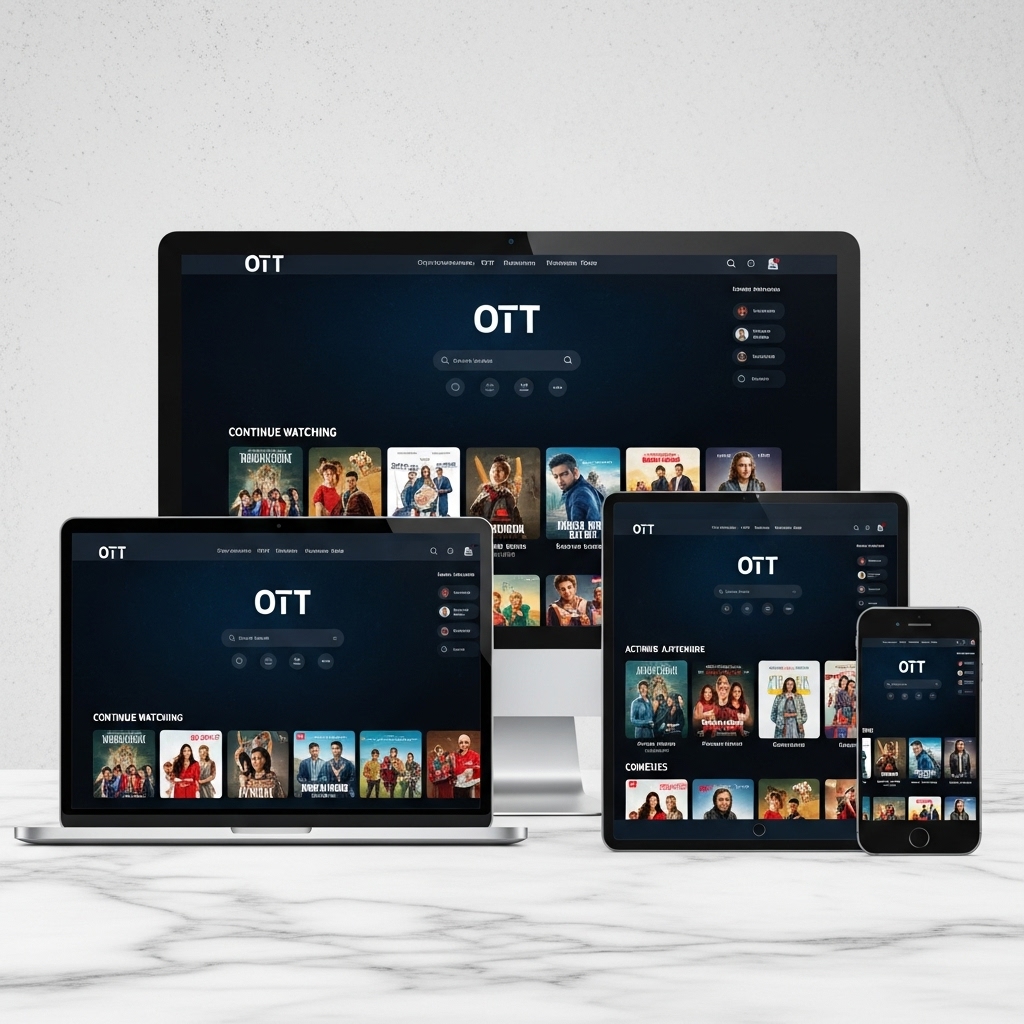
Modern broadcast systems are no longer limited to television networks. They now support a wide range of digital platforms, including:
- OTT streaming apps
- Web-based players
- Mobile devices
- Smart TVs
- Social media live streams
Broadcasters’ infrastructures will need to support multiple kinds of output formats, accommodate multiple screen sizes, and produce the same level of quality on all platforms as new technologies are put into place.
The new advanced broadcasting systems are designed to work with content management systems, ad servers, and analytics systems to create an integrated solution, allowing businesses and/or organizations that broadcast both in a linear fashion and a digital setting to operate from one central point of management.
The Role of Broadcast Media Solutions in Workflow Optimization
Broadcast media solutions help media companies streamline the entire content lifecycle—from acquisition to distribution. These solutions enable broadcasters to:
- Ingest and catalogue large volumes of content.
- Automate metadata tagging and asset management
- Schedule and deliver content across platforms
- Monitor quality and performance in real time.
By reducing manual intervention, broadcast media solutions minimize errors, improve speed, and allow teams to focus on content strategy rather than operational bottlenecks.
Why Multi-Platform Broadcasting Is the Future
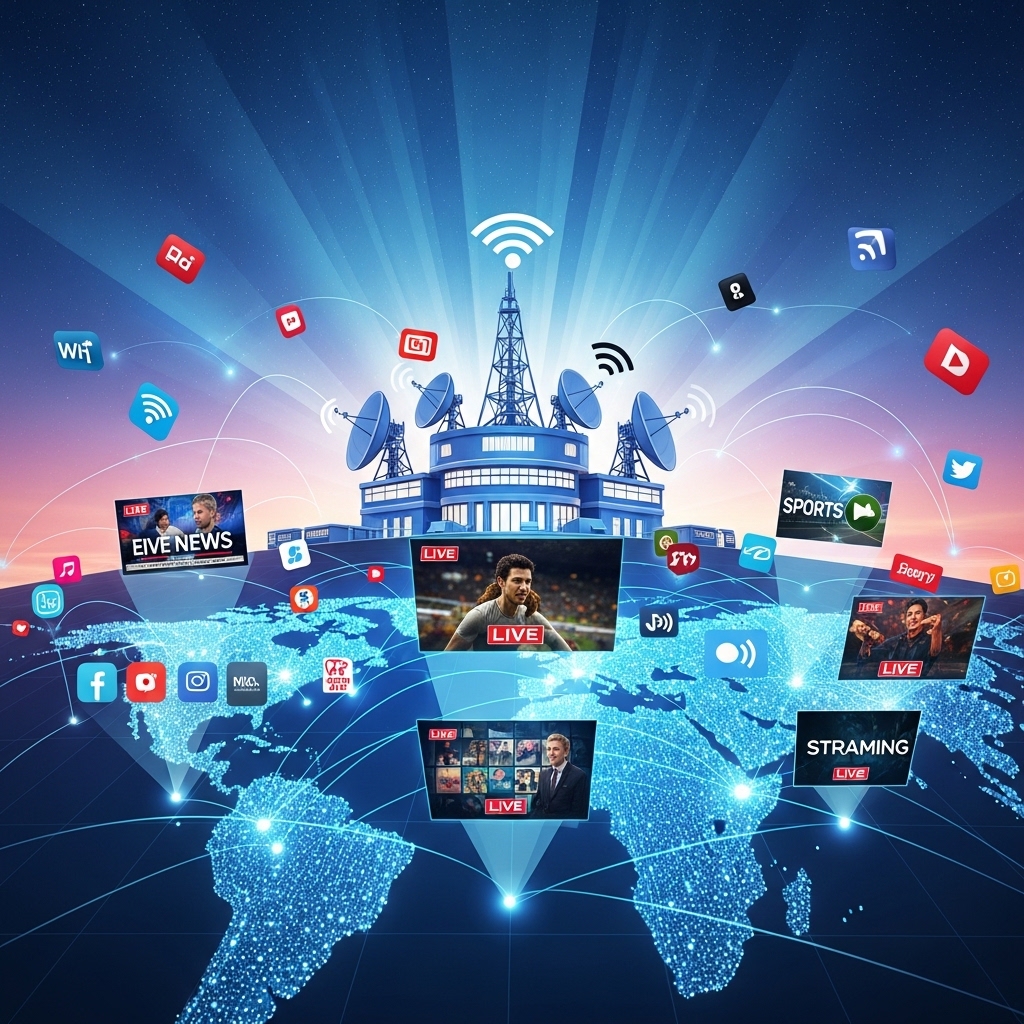
We live in a ‘now’ world; with viewers wanting your content 24/7, linear broadcast is just limiting the audience you’re reaching. There is literally the same content delivery delivered to a viewer’s smart TV, mobile and web apps at the same time thanks to multi-platform delivery.
Modern broadcast automation software enables:
- Simultaneous multi-platform distribution
- Format conversion and adaptive streaming
- Real-time analytics across platforms
This flexibility allows broadcasters to reach more people and monetize their content efficiently.
Challenges Faced Without Modern Broadcast Automation
Broadcasters relying on outdated systems often face:
- Manual scheduling errors
- Inconsistent playback quality
- Delayed content delivery
- Limited scalability
- Higher operational costs
Without modern broadcast systems in place, where speed, reliability and quality separate winners from losers.
Also Read: Streamline Your Channel Like A Pro: The Power of a Broadcast Dashboard
How Broadcast Media Solutions Improve Viewer Experience
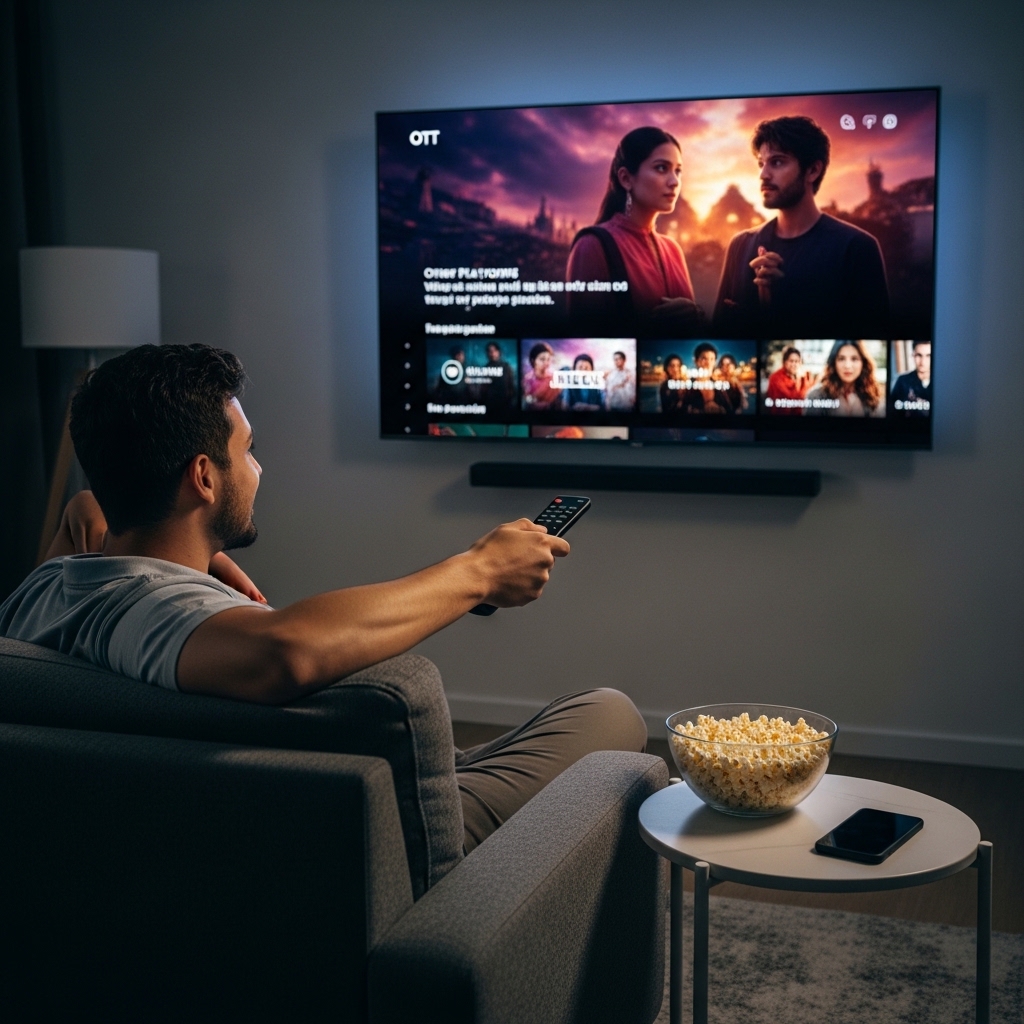
At the viewer level, advanced broadcast media solutions translate into:
- Faster load times
- Higher video quality
- Smooth switching functionality between real-time and on-demand content
- Reliable streaming across devices
Improved viewer experience leading directly to higher retention, engagement and long-term brand loyalty.
The Future of Broadcasting: Intelligent, Automated, and Scalable
The future of broadcasting is all about automation, cloud tech and intelligent workflows. All content becomes greater than its individual parts, and broadcasters will rely on systems to help them navigate this world faster and more competitively as platforms grow.
Emerging trends include:
- AI-driven content scheduling
- Predictive analytics for audience behaviour
- Cloud-native broadcast infrastructure
- Integrated OTT and linear workflows
These innovations are reshaping the way broadcasters operate and the manner in which audiences consume content.
Also Read: Why Every Media Network Needs Broadcast Automation Software Today
Conclusion: How BOSS Studio Powers the Future of Broadcasting
As the media landscape continues evolving, it is critical that broadcasters support themselves with technology that is flexible and able to evolve quickly and efficiently. The BOSS Studio is an example of a next gen broadcast automation solution, which is a full service, automated broadcast system consisting of a number of components specific to the broadcaster’s needs, including linear and OTT broadcast needs on a number of devices.
BOSS Studio supports intelligent automation, real-time monitoring and multiple deployment methods, giving broadcasters the ability to manage their operations more efficiently and improve their overall operations. BOSS Studio provides a streamlined approach that reduces operational complexity and enhances viewers’ experience through the consistent and high-quality presentation of content. In addition to supporting traditional channel management, BOSS Studio also provides the framework for broadcasters to change from traditional channel based to omnichannel based broadcast operations.
FAQ’s
1. What is broadcast automation software?
Automation software enables broadcasters to set up content for TV Broadcast and digitally distribute it across networks, virtually eliminating manual processes and providing a more efficient workflow.
2. How does broadcast automation support OTT platforms?
With broadcast automation, broadcasters are able to publish their content to numerous platforms – such as OTT apps, websites and connected devices – with ease by using one application to schedule, encode and distribute their content.
3. What are broadcast systems used for today?
Today’s Broadcast Systems consist of multiple technologies that manage every part of the Broadcast process, from Content Ingestion and Monitoring to Analytics, and Multi-Platform Distribution.
4. Why is broadcast automation important for scaling operations?
By employing Automation Technology, each Broadcast Network can handle growing amounts of content, enter new geographical markets, and efficiently manage without increasing Manual Labour.
5. How does BOSS Studio help broadcasters modernize their operations?
BOSS Studio is an all-in-one broadcast automation tool that unifies scheduling, content management, analytics and multi-platform delivery on one platform, giving users confidence when scaling and competing in today’s ultra-competitive media landscape.