
What Features Should You Look for in Broadcast Automation Software in 2026
The industry of broadcasting is evolving at an unprecedented rate. More and more audiences are consuming audio/video content through television, OTT (over-the-top) platforms, mobile phones and other live digital offerings. The broadcast automation software that will support broadcasters needs and help you achieve peak performance by 2026 must have the capabilities to effectively manage complexity, be scalable and grow with the development of new means for delivering broadcasted content.
The evolution of broadcast capabilities has gone beyond simply scheduling content today to managing an entire workflow of a broadcast, including the use of cloud storage, real-time monitoring, and automated distribution across all platforms. With the rise of cloud-based broadcasting, there is a greater need now than ever for broadcasting automation tools that are flexible, secure, and future ready.
This blog explores the most important features you should look for in broadcast automation software in 2026 to stay competitive and operationally efficient.
Why Broadcast Automation Matters More in 2026
Due to the number of programs, schedules, live event coverage, advertising, and compliance that broadcasters are dealing with, the amount of time spent in manual processes creates a greater opportunity for errors, delays, and downtime. Through the use of automation, many repetitive processes will be streamlined, reducing the dependency on manual labour. The growing demand for multi-device distribution and On-Demand viewing has led to the creation of broadcast automation software that helps ensure the accurate, consistent and timely delivery of broadcast content. With software like BOSS Studio, broadcasters can concentrate more on the quality of their content and engagement with audiences than on the challenges associated with operating. As the amount of content continues to grow at an exponential rate, it becomes increasingly important for broadcasters to have efficient processes in place to deliver their products on time.
Key Features to Look for in Broadcast Automation Software
1. Cloud-Based Architecture and Cloud Broadcasting Support
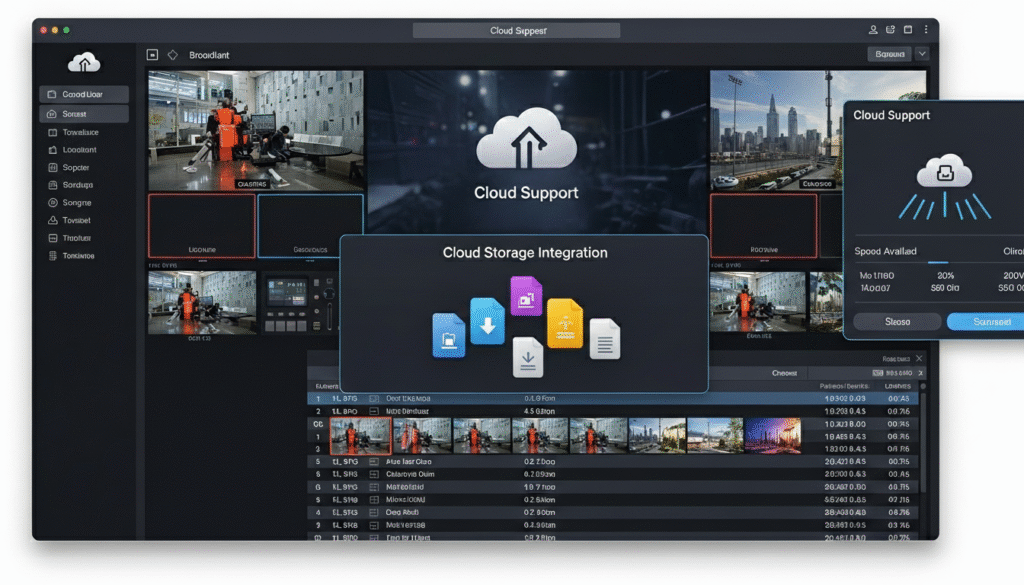
The main advantage in 2026 will be the increased flexibility of cloud broadcasting because it enables a broadcaster to use a distributed network for their delivery of content instead of relying heavily on on-premise infrastructure for sign-off processes, thus increasing scale and reliability.
Cloud based systems allow broadcasters to:
- Access and control content remotely
- Deploy and receive updates at a more rapid rate
- Reduce the cost of building and maintaining their own infrastructure
- Scale easily during periods of peak demand
- Support backups and disaster recovery plans
A cloud ready solution like BOSS Studio gives a broadcaster’s organisation more flexibility and resiliency.
2. Advanced Broadcast Scheduling Software
The foundational component of a broadcast operation is the scheduling of events. New Advanced Scheduling Software should provide at a minimum many more features than simply scheduling.
When searching for advanced scheduling software look at the following feature sets:
- Automated creation of playlists
- Conflict alerting and detection
- Synchronization of ads and content
- Support for regional scheduling and time zones
- Support for live, recorded and hybrid content
When scheduling is done correctly using automated scheduling software like BOSS Studio, the chance of human error is greatly reduced and the delivery of content through multiple channels will be seamless.
Also Read: Maximize Efficiency and Ad Revenue with Intelligent Broadcast Scheduling Systems
3. End-to-End Workflow Automation
The best broadcast automation software manages the content, from ingestion to scheduling.
Key workflow capabilities include:
- Content ingestion and validation
- Metadata management
- Ad insertion and management
End-to-end automation improves speed, consistency, and operational efficiency while reducing manual workload.
4. Multi-Platform and Multi-Channel Support
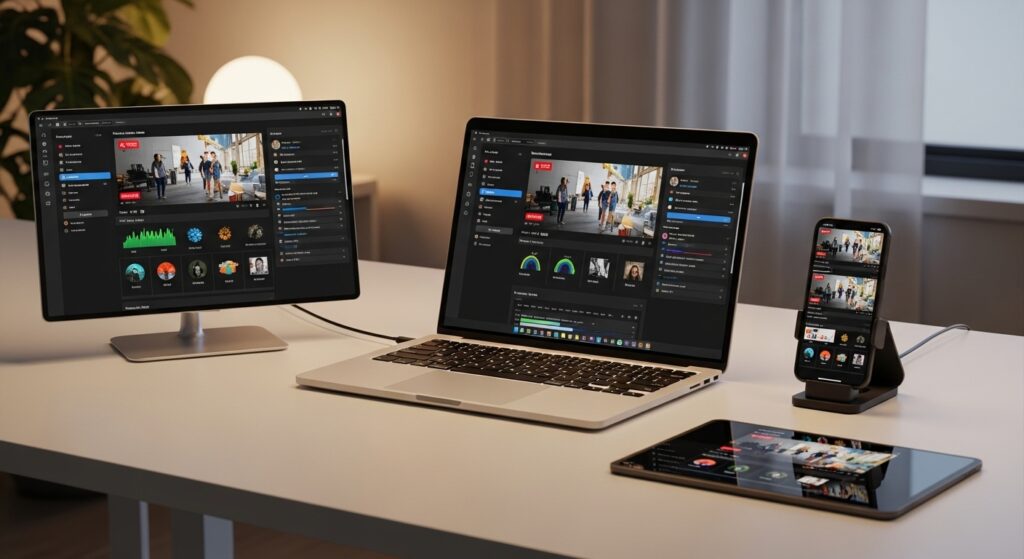
As of 2026, very rarely is broadcasting done through one channel. The majority of content is now distributed through multiple distribution pathways for television, over the top, mobile app, online playback and social media.
All broadcast software should support the following capabilities:
- Linear & Non-Linear Broadcasting
- Multiple Channels of Simultaneous Playout
- Integration with OTT/ Digital Streaming
- Device Agnostic Delivery (device/platform neutral)
Offering this level of support ensures that broadcast professionals operate in total unison across every platform, with no duplicated effort.
Also Read: How Cloud Broadcasting Enhances Efficiency and Flexibility for TV Channels
5. Security, Compliance, and Access Control
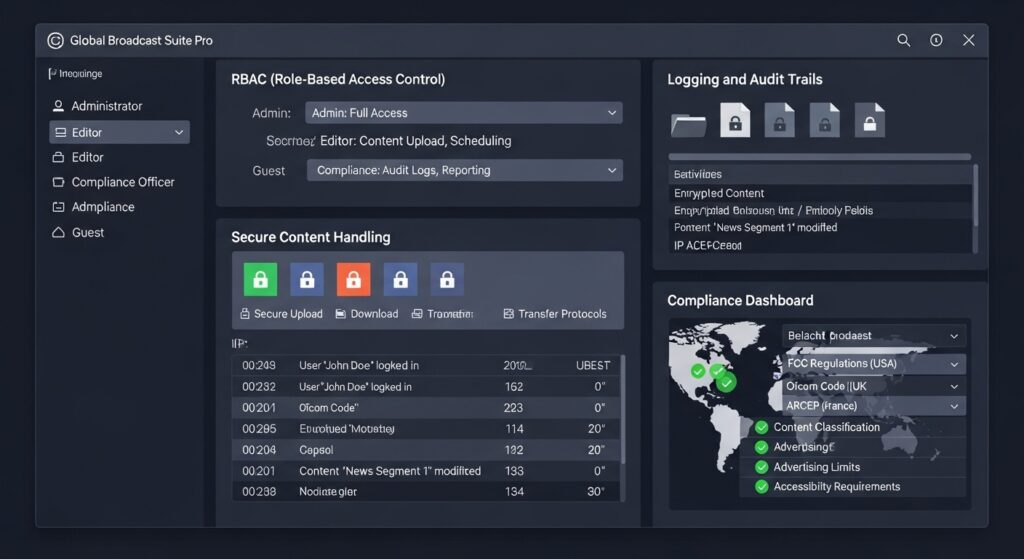
Broadcasting relies heavily on the ability to protect content and to maintain compliance with regulations. Because of this, any automation software used by a broadcaster must have robust levels of security built in.
Features to include:
- RBAC (Role Based Access Control)
- Secure Handling of Content
- Logging and Audit Trails
- Compliance with Regional Broadcast Standards
Having the above features in place will result in content integrity and ultimately, ability to account for operational actions.
6. Scalability and Future-Readiness
As the size of your audiences and content library grows, a broadcast system must be able to grow with it.
Broadcast automation software designed to be future-ready must support:
- The addition of new content types
- An increase in the number of channels
- An ability to expand into the Cloud
- Integration with Over-The-Top (OTT) services and AI-based solutions
Scalability provides ongoing value and a means of adapting to a fast-changing broadcast environment.
Also Read: Why Broadcast Software is Essential for Growing Media Networks
Conclusion
The choice of Broadcast automation Software for 2026 is not simply a technical choice; it is also a strategic choice. An effective Broadcast Automation Software solution must have the ability to deliver content via the Cloud, automate Intelligent Scheduling, deliver content across multiple platforms, provide Real-Time Analytics, and scale to accommodate Growth. The convergence of traditional broadcasting with Digital and OTT ecosystems will drive further adoption of the importance of Automation to drive efficiencies, reliability, and satisfy audiences.
BOSS Studio stands out as a powerful Broadcast Automation Software designed to meet modern broadcasting demands. With intelligent scheduling, cloud-ready architecture, real-time analytics, and end-to-end workflow automation, BOSS Studio helps broadcasters simplify operations, reduce errors, and deliver content seamlessly across platforms. It empowers broadcasters to operate smarter, scale faster, and stay ahead in the evolving broadcast industry.
FAQs
1. What is broadcast automation software?
Broadcast automation software refers to a software that controls the planning and scheduling, of content for TV and digital broadcast. It helps broadcasters minimize manual operations and ensure content correctness.
2. In what way does cloud broadcast enhancing broadcasting operations?
Cloud broadcasting, allows broadcasters to work from anywhere and scale effortlessly while minimizing infrastructure expenses and maintaining continuous availability. It is as flexible and dependable as on-premise systems can never be.
3. Why you need Broadcast Scheduling Software.
Broadcast Scheduling Software guarantees that programs, advertisements, or live events are always aired at the correct times. Automation increases accuracy, eliminates most downtime, and accommodates complicated scheduling requirements.
4. Can the broadcast automation software be used for OTT platform?
Yes. Today’s broadcast automation software can cater to OTT and digital streaming channels as well as traditional broadcasting, so content delivery across platforms is not an issue from a single system.
5. Does broadcast automation work for small and large broadcasters?
Yes. Scalable broadcast automation software should accommodate small broadcasters and big networks serving different amounts of content, channels, or operational requirements.