

Broadcast Software Explained: From Contract to Billing
Broadcasting often looks clean from the outside. Schedules line up. Ads play on time. Invoices go out. Everything appears orderly.
Behind the scenes, though, it’s rarely that simple.
Between a signed contract and a final billing statement, there’s a long chain of steps. Content rights. Scheduling rules. Ad commitments. Regional variations. Last-minute changes. And somehow, all of that needs to connect without falling apart.
This is where broadcast software quietly does most of the heavy lifting. Not just when the schedule is sent to transmission, but all the way from deal creation to revenue tracking. And in recent years, especially with the rise of cloud broadcasting, that process has changed in ways many people don’t fully see.
Also Read: How Television Scheduling Software Transforms Broadcast Management and Efficiency
It Starts Earlier Than Most People Think
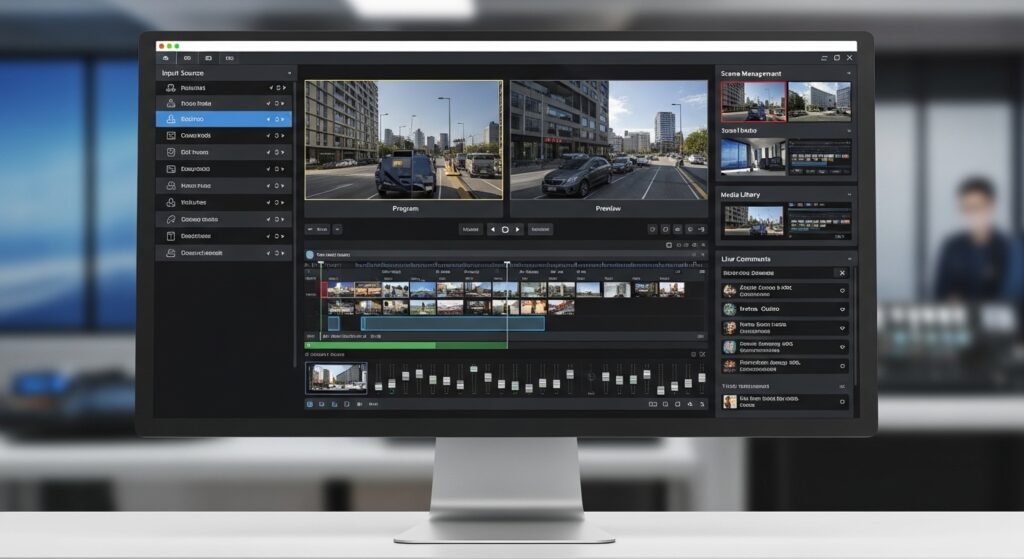
When people hear “broadcast software,” they usually picture playout automation or scheduling screens. That’s understandable. Those are the visible parts.
But the real work often starts much earlier. At the contract stage.
Once a broadcaster signs a contract or advertising deal, that agreement needs to be translated into operational reality. Dates. Time slots. Frequency. Pricing. Conditions. Miss one detail, and problems show up weeks later.
Modern broadcast media solutions like BOSS Studio help structure this information early so it flows cleanly through the system. Not perfectly, perhaps, but predictably. And predictability is underrated in broadcasting.
Scheduling Is Where Theory Meets Reality
Schedules look tidy in planning meetings. Reality has other ideas.
Live events overrun. Breaking news interrupts programs. Ads shift. Regional feeds diverge. This is where traditional, rigid systems struggle.
With cloud-based Broadcast Software, scheduling becomes more flexible and easier to manage. Changes propagate faster. Teams in different locations see the same updates. There’s less back-and-forth, fewer spreadsheets, fewer “just confirming” emails.
It doesn’t remove complexity. It just makes it manageable.
Also Read: How Cloud Broadcasting Enhances Efficiency and Flexibility for TV Channels
Traffic, Logs, and the Unseen Middle Layer
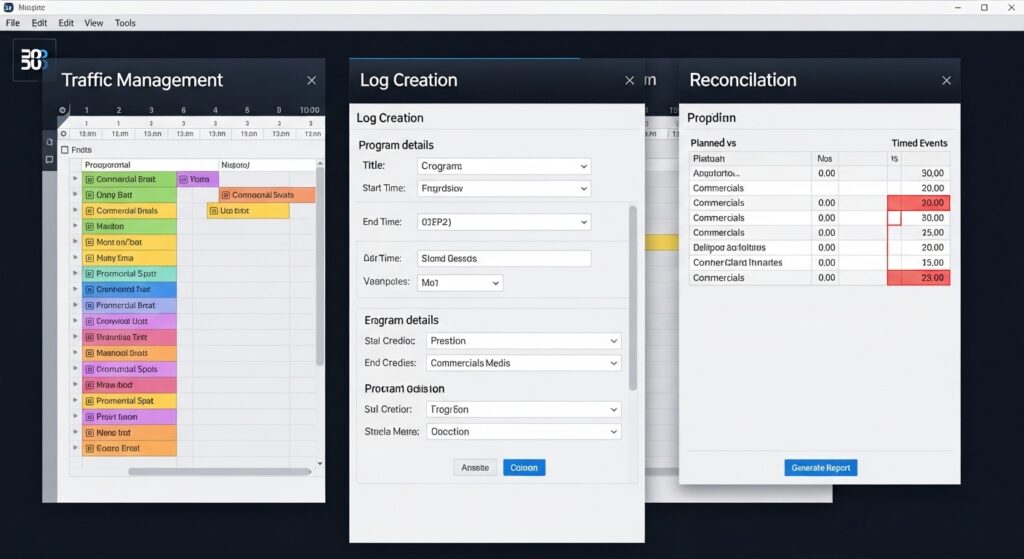
There’s a middle layer in broadcast operations that doesn’t get much attention. Traffic management. Log creation. Reconciliation.
This is where contracts meet airtime.
Traffic systems ensure that what was sold actually gets scheduled. That ads air when they’re supposed to. That make goods are tracked. That nothing quietly disappears between planning and execution.
In modern broadcast software solutions, this layer is tightly integrated with scheduling and billing. Not because it’s elegant, but because separation causes errors. And errors are expensive.
Cloud Broadcasting Changes Accountability
One interesting side effect of cloud broadcasting is transparency.
When systems are centralized and accessible, it becomes easier to trace what happened and when. Who made a change. Why a spot moved. How a schedule evolved.
This isn’t about surveillance. It’s about clarity.
When billing disputes arise, and they often do, having a clear operational trail matters. Cloud-based systems tend to support this naturally, simply because everything lives in one environment.
Also Read: Top Broadcast Traffic Scheduling Systems Compared
Billing Is Not Just Accounting

Billing is where everything comes together. Or falls apart.
If contracts were unclear, schedules inconsistent, or logs incomplete, billing exposes those weaknesses. Clients notice. Auditors notice. Revenue leaks quietly.
Modern broadcast software ties billing directly to confirmed playout data. Not assumptions. Not estimates.
This is where cloud-based broadcasting proves its value again. Real-time data flows reduce manual reconciliation. Invoices align more closely with what actually aired.
It doesn’t eliminate disputes. But it reduces avoidable ones.
The Quiet Role of Cloud Based Broadcasting
Cloud based broadcasting doesn’t always feel revolutionary. Sometimes it feels boring. And that’s a compliment.
When teams can access the same data without worrying about location, versioning, or infrastructure limits, work becomes calmer. Less reactive.
That calm shows up in fewer billing errors. Faster issue resolution. Better coordination between departments that rarely sat in the same room to begin with.
Also Read: The Ultimate Guide to Streamlining Broadcast Traffic and Scheduling
From Contract to Billing Is One Continuous Story
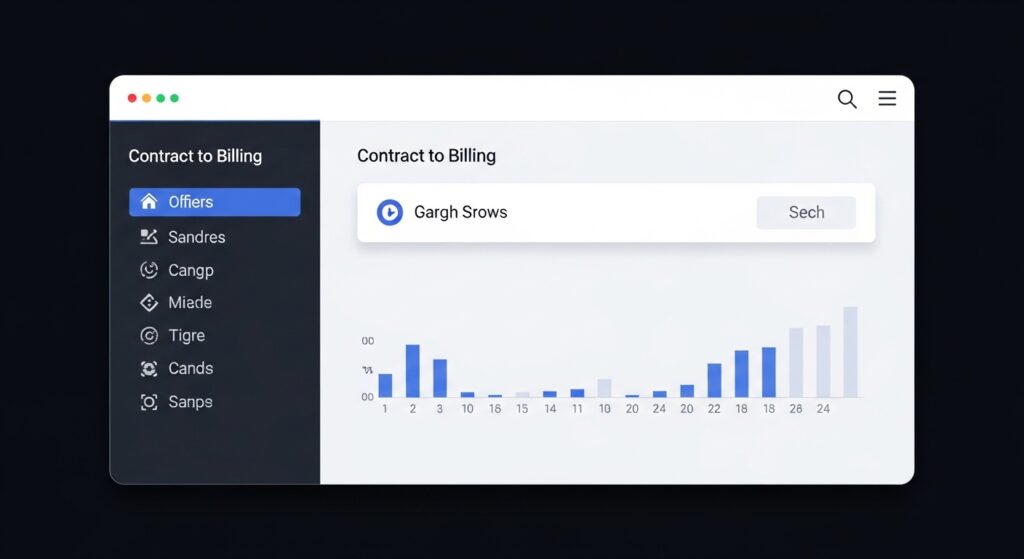
The biggest shift in modern broadcast software is this realization. Planning, ad-sales, traffic, scheduling, reconciliation, billing. They’re not separate stages. They’re one continuous story.
Break the chain at any point, and the ending suffers.
Keep it connected, and operations feel smoother, even when things go wrong. And things will always go wrong, at least a little.
Conclusion
Broadcast software is no longer just a tool for getting content on air. It’s the connective tissue between business decisions and operational reality.
With the rise of cloud broadcasting and more integrated broadcast media solutions, broadcasters can manage the entire journey from contract creation to final billing with greater clarity and control.
This is where BOSS Studio fits naturally. BOSS Studio is designed to support end-to-end broadcast workflows, connecting scheduling, traffic, and billing within a cloud-ready environment. By aligning operational data with commercial intent, BOSS Studio helps broadcasters reduce friction, improve accuracy, and manage complexity without adding unnecessary overhead.
In a broadcast world that keeps evolving, that kind of continuity matters more than ever.
Also Read: What Features Should You Look for in Broadcast Automation Software in 2026
FAQ’s
1. What does broadcast software cover beyond playout?
Modern broadcast software supports the full operational lifecycle, including contract management, scheduling, traffic, reconciliation, and billing.
2. How does cloud broadcasting improve billing accuracy?
Cloud broadcasting enables real-time data sharing across systems, ensuring billing reflects actual playout rather than estimates or manual records.
3. Why are broadcast media solutions moving toward full integration?
Integrated systems reduce manual handoffs, minimize errors, and ensure consistent data flow from contracts to billing.
4. Is cloud-based broadcasting software suitable for traditional TV channels?
Yes. Cloud-based broadcast software like BOSS Studio supports traditional linear TV workflows such as content scheduling, ad management, and playlist preparation, while also enabling broadcasters to manage digital platforms from the same system.
5. How does BOSS Studio support contract-to-billing workflows?
BOSS Studio connects planning, ad-sales, scheduling, traffic, reconciliation and billing in a unified, cloud-ready platform, helping broadcasters maintain accuracy and operational clarity throughout the broadcast lifecycle.