
What Should Broadcasters Expect from Modern Broadcast Traffic Software?
Broadcasting has always been a careful balance of timing, coordination, and a little bit of pressure. Anyone who has worked behind the scenes knows this. A missed ad slot. A scheduling conflict. A last-minute change that somehow needs to go live immediately.
Broadcast traffic software used to be mostly about control. Lock things down. Prevent errors. Keep everything on schedule. That’s still important, of course. But modern broadcasting has changed the rules a bit. Actually, a lot.
Today, broadcasters are juggling linear TV, digital platforms, regional feeds, and sometimes OTT streams, all at once. So, the question isn’t just what broadcast traffic software does anymore. It’s what it should be capable of now.
Traffic Software Is No Longer Just a Scheduler
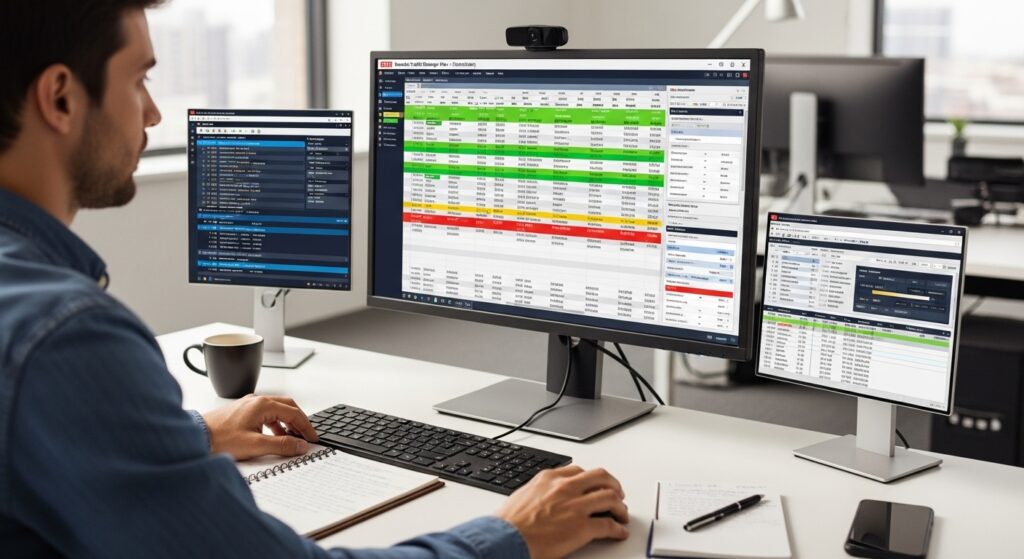
There was a time when traffic software lived quietly in the background. It handled ad placements, logs, and schedules, and that was mostly enough.
That time is gone.
Modern broadcast environments are dynamic. Schedules change more often. Content moves between platforms. Advertising models are more flexible. And frankly, things don’t always go as planned.
Today’s broadcast traffic software needs to feel less like a rigid system and more like a responsive layer within broader broadcast media solutions. Something that can adapt quickly without creating chaos.
Also Read: The Future of Broadcast Traffic: Automating Scheduling for Maximum Efficiency
Visibility Matters More Than Control
One thing broadcasters expect is visibility. Not just final schedules, but what’s happening right now and what’s about to happen next.
Modern systems should allow teams to:
- Catch conflicts before they turn into problems
- Adjust plans without breaking everything else
- Track Sales & Inventory Dashboards
This is especially important in cloud-based broadcasting, where teams may be distributed across locations. People aren’t always sitting in the same control room anymore. Software has to bridge that gap.
Cloud Broadcasting Has Changed Expectations Completely
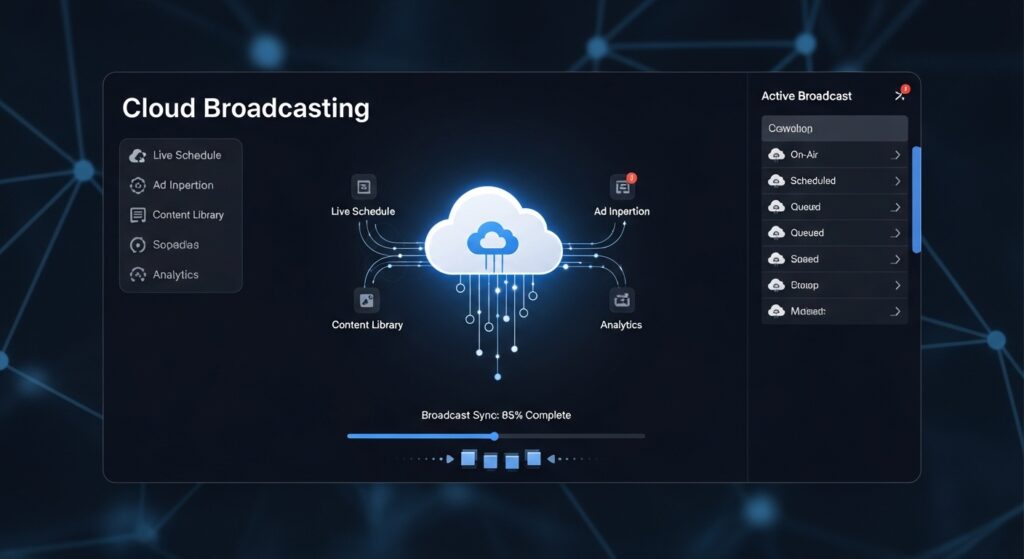
Cloud broadcasting isn’t just a technical upgrade. It’s a mindset shift.
When traffic systems move to the cloud, broadcasters start expecting flexibility by default. Remote access. Faster updates. Fewer dependencies on physical infrastructure.
And once you get used to that flexibility, it’s hard to go back.
With cloud broadcasting, traffic software should:
- Be accessible from anywhere securely
- Update schedules instantly across systems
- Scale without major reconfiguration
- Integrate smoothly with playout and automation tools
If a system still feels heavy or location-bound, it starts to feel out of step with how broadcasters actually work today.
Integration Is No Longer Optional
Traffic software doesn’t exist in isolation anymore. It has to talk to other systems. Constantly.
Modern broadcast traffic software is expected to integrate with:
- Playout automation
- Content management systems
- Analytics and reporting tools
- OTT and digital distribution systems
This is where broader broadcast media solutions come into play. Broadcasters don’t want ten disconnected tools. They want systems that work together, or at least don’t get in each other’s way.
And yes, integrations don’t always go perfectly. But broadcasters now expect flexibility here, not excuses.
Also Read: How Cloud Broadcasting Enhances Efficiency and Flexibility for TV Channels
Handling Complexity Without Adding Stress
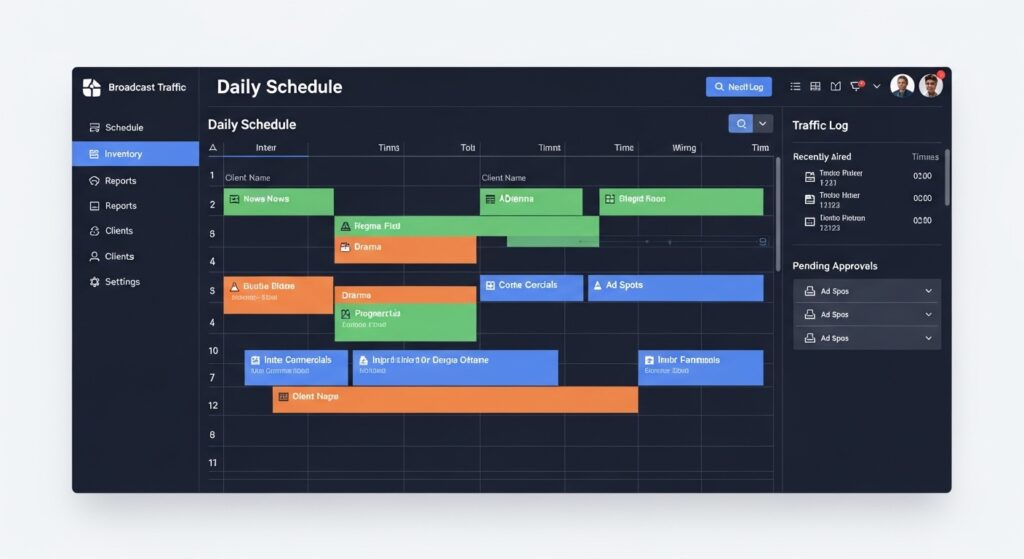
Here’s something that doesn’t get discussed enough. Traffic teams are under pressure. A lot of it. More platforms. More versions of content. More ad models. Yet teams are often the same size they were years ago.
Modern broadcast traffic software should reduce mental load, not add to it.
That means:
- Cleaner interfaces
- Logical workflows
- Fewer manual workarounds
- Smarter alerts instead of constant warnings
A system that technically works but feels exhausting to use isn’t really working anymore.
Real-Time Adjustments Are the New Normal
Schedules used to be locked well in advance. Now, changes happen constantly.
Live events run long. Ads shift. Content availability changes. Regional requirements pop up unexpectedly.
Modern traffic software should support real-time adjustments without breaking downstream systems. Especially in cloud-based broadcasting environments, where changes need to propagate quickly and reliably.
Broadcasters increasingly expect to make changes confidently, not cautiously.
Also Read: The Role of AI in Modern Radio Broadcast Software
Reporting That Actually Helps Decisions
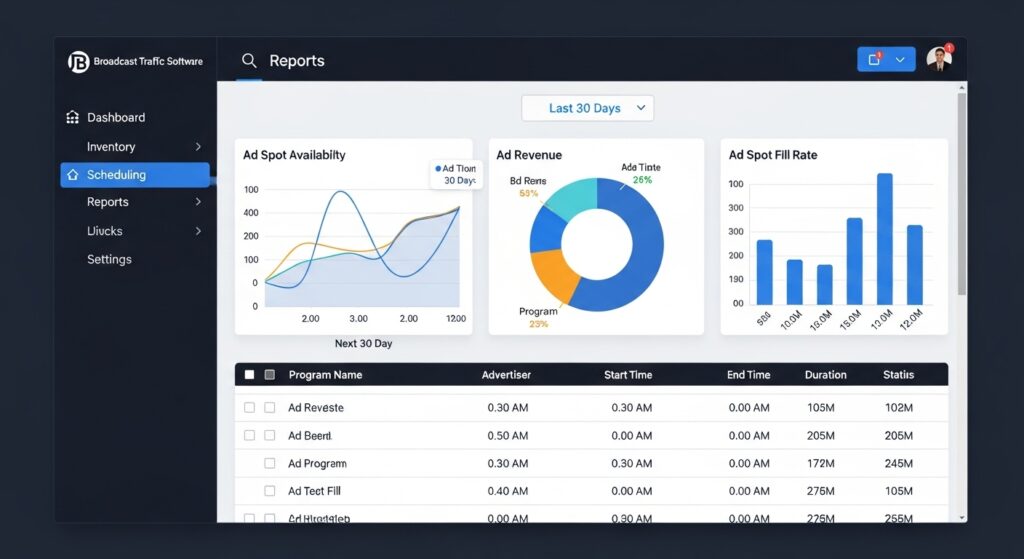
Reporting used to be about compliance. Logs. Proof of play. Records.
That still matters. But now broadcasters want insight, not just documentation.
Modern traffic systems should help answer questions like:
- Which slots are available?
- Where are bottlenecks happening?
- How often are schedules being adjusted?
- On the go Revenue Dashboards
Good reporting supports better planning. And planning reduces stress later.
Conclusion
Modern broadcast traffic software is no longer just about moving content and ads from point A to point B. It’s about enabling flexibility, visibility, and confidence in an increasingly complex broadcast environment.
With the rise of cloud broadcasting and integrated broadcast media solutions, broadcasters now expect systems that adapt quickly, integrate easily, and reduce operational friction rather than create it.
Traffic software has become a strategic tool. One that quietly supports every other part of the broadcast chain. When it works well, most people don’t notice. When it doesn’t, everyone feels it.
Choosing the right software like BOSS Studio, makes a real difference in how smoothly broadcasting operations run tomorrow.
Also Read: How Smart Traffic Scheduling Systems Can Save Resources and Time
FAQs
1. What is broadcast traffic software used for today?
Broadcast traffic software like BOSS Studio manages content, scheduling, ad placement across broadcast channels. Modern systems also support real-time updates and multi-platform workflows.
2. How does cloud based broadcasting impact traffic operations?
Cloud based broadcasting allows traffic teams to access systems remotely, make faster updates, and scale operations more easily without relying on on-premise infrastructure.
3. Can broadcast traffic software support OTT and digital platforms?
Yes. Modern traffic software like BOSS Studio designed to support both traditional broadcast and digital distribution as part of broader broadcast media solutions.
4. Why is integration important in traffic software?
Integration ensures traffic systems work smoothly with playout, automation, ad servers, and analytics tools, reducing manual effort and operational errors.
5. What should broadcasters prioritize when choosing traffic software?
Broadcasters should prioritize flexibility, cloud readiness, ease of use, integration capability, and real-time visibility over rigid feature lists.